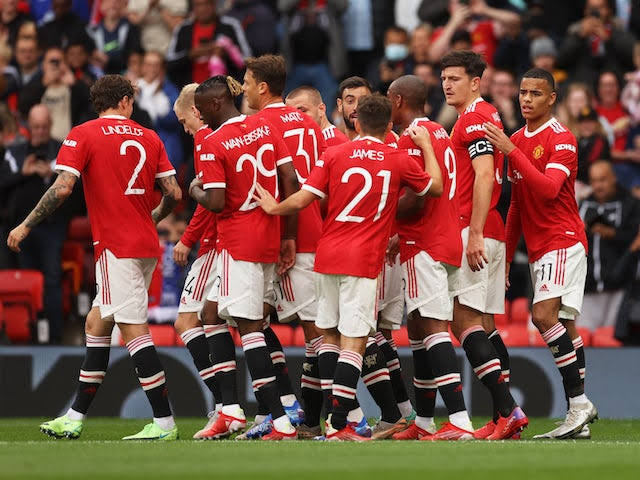

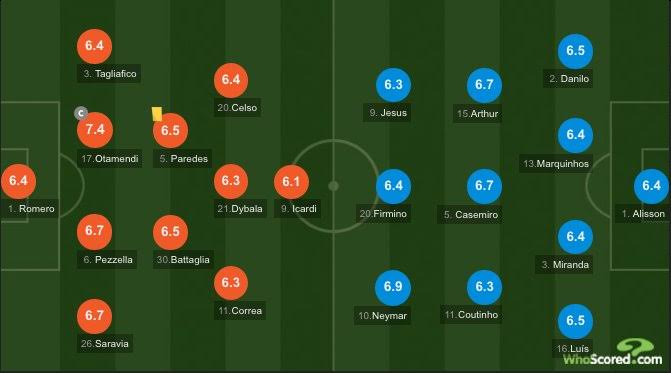
Player ratings are a standard part of post-match analysis, appearing within minutes of the final whistle on nearly every major football website.
Sites like WhoScored, Sofascore, and FotMob each run their own algorithm to score every player out of 10, and those numbers now shape everything from fan debates to scouting reports.
Most systems do not start players at zero either, WhoScored and FotMob begin every player at a baseline of 6.0, while Sofascore starts at 6.5, before events in the match push that number up or down.
Below, we break down exactly how these ratings are calculated, what real figures from recent matches look like, and the criteria that decide whether a player finishes the day with a 6 or a 9.
How player ratings actually work
Modern rating engines are not a single stat but a blend of dozens of them, weighted differently depending on what happens and where on the pitch it happens.
WhoScored, for example, states its algorithm runs on over 200 raw statistics, sourced from Opta data and recalculated live as the match progresses.
A 2025 academic study published in the Journal of Sports Sciences compared WhoScored, FotMob, and Sofascore across more than 2,100 players and 73 performance metrics, and found that offensive actions carry the heaviest weight across all three systems.
Shots on target had the strongest single impact on a player’s score, with WhoScored weighting it slightly higher than Sofascore, while defensive actions like clearances mattered but moved the needle less.
The same study found WhoScored’s overall ratings run noticeably lower than Sofascore’s and FotMob’s for a comparable performance, so a 7.4 on one site is not automatically the same as a 7.4 on another.
Overall performance

This criterion looks at a player’s total contribution across the full 90 minutes, not just one or two standout moments.
A player is assessed on whether they performed at an acceptable level within their specific role for the team.
Were they the most influential player in the attack? Did they put in a defensive shift despite being a striker? Did they keep driving the team forward in a difficult spell of the game?
These are the kinds of questions that shape the baseline of a rating before any single event pushes it higher or lower.
Impact on the result

A player’s direct contribution to the final scoreline is one of the clearest boosts available in any rating system.
Scoring the winning goal, making the tackle that stops a certain chance, or producing the save that secures the points all carry real weight.
WhoScored specifically factors in whether a player’s team won, lost, or kept a clean sheet, applying a bonus or penalty on top of the individual events already recorded.
Sofascore takes a more individualised approach here, so a player’s rating on that platform tends to move less because of results outside their control.
Individual match performance
Football is a team game, but analysts recognise that a single individual performance can decide the outcome of a match.
A hat-trick, a string of match-saving stops from a goalkeeper on a losing side, or a match-high number of progressive passes will all stand out in the data even if the broader picture was mixed.
Statistical inputs behind this include passes completed, tackles won, shots saved, clearances, shots taken, chances created, key passes, and duels won.
Lionel Messi’s Golden Ball at the 2022 World Cup in Qatar is a useful real-world example of this in action, and his average tournament rating that year stood at 8.53 on Sofascore, one of the highest single-tournament averages recorded for any player since 1966.
Diego Maradona’s 1986 World Cup remains the benchmark for a single tournament, with a 9.00 average that no player has matched since, not even Messi at his peak.
It says something about the gap between the two eras of “greatest ever” debates that a 39 year old rating benchmark from a tournament played mostly on rough pitches in front of far less sophisticated cameras still holds up against every modern data set thrown at it.
Discipline
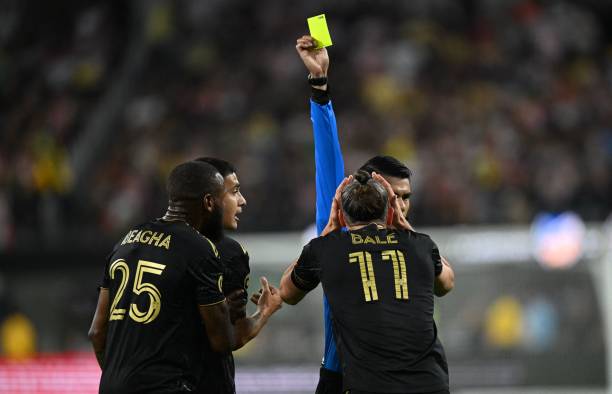
A player’s discipline during the 90 minutes also feeds directly into their final number.
A yellow card knocks points off a rating regardless of how well a player performed elsewhere in the game, and a red card is a far heavier deduction.
Fouls committed are also penalised individually, separate from any card shown, since they represent a small negative event each time they occur.
This is one reason a player can have an excellent statistical match in possession and still finish with a below-average score if they pick up a late booking, and it is a big part of why fans so often argue with a number that looked harsh on the night but reads perfectly logically once you check the referee’s report.
Match result
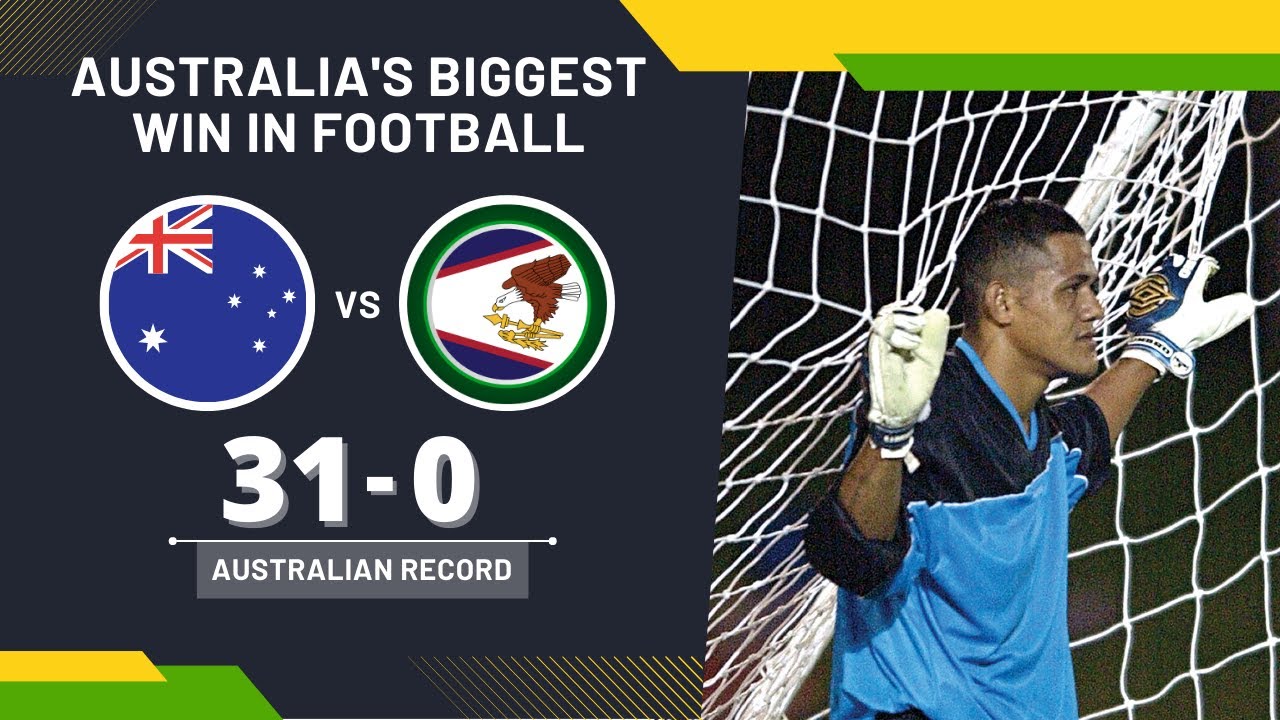
The final scoreline tends to nudge every player’s rating in one direction or another, even players who did not directly influence it.
A win can lift an average individual performance into merely decent territory, while a loss can drag down a rating for a player who was actually one of the better performers on the pitch.
This is a known limitation of automated systems, and it is part of why the same match can produce noticeably different numbers on WhoScored compared with Sofascore.
It also explains a very familiar feeling for supporters, watching a defender who made every tackle and won every header still get a mediocre rating simply because his team shipped three goals at the other end.
The rarest number in football: a perfect 10
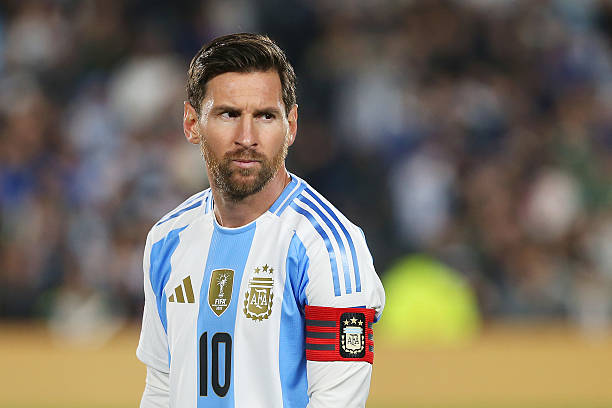
Every so often a performance is so complete that the algorithm simply runs out of room to give credit, and the player is handed a perfect 10.
Sofascore’s own database credits Messi with somewhere around 50 of these perfect ratings, by far the most of any player they track, with the count still climbing as he continues playing into his late 30s with Inter Miami.
One of the more recent examples came at the 2026 World Cup, when Messi scored a hat-trick against Algeria while also completing 30 of 37 passes, carrying the ball over 250 metres, and winning both tackles he attempted, a stat line that reads more like a full midfield shift than a forward’s night out.
Kevin De Bruyne and Robert Lewandowski are not far behind on Sofascore’s all-time list either, with Lewandowski’s most memorable 10 coming from the bench, when he scored five goals in nine minutes against Wolfsburg.
Even Julian Alvarez, still a relatively young player, had already picked up several perfect ratings by the mid-2020s, a reminder that this particular club is not just reserved for the sport’s oldest legends.
It is worth knowing that a perfect 10 means something quite different depending on where it comes from.
Sofascore’s 10s are algorithmic and, relatively speaking, not that rare, since any sufficiently dominant match can trigger one.
French newspaper L’Equipe hands out its own 10/10 ratings by hand, using human judges rather than a statistical model, and the paper has awarded fewer than 20 of them across its entire history of covering the sport.
That list includes moments like Croatia goalkeeper Dominik Livakovic making 11 saves to help eliminate Brazil at the 2022 World Cup, Lucas Moura’s stoppage time hat-trick that sent Tottenham to the 2019 Champions League final, and Oleg Salenko’s five goal haul against Cameroon at the 1994 World Cup, still the only five goal game in World Cup history.
So when a football fan says a player “deserved a 10,” it is worth asking whether they mean the algorithm agreed with them or whether a human being at a newspaper desk actually made that call, because those are two very different bars to clear.
How the major rating sites compare
WhoScored uses a 0 to 10 scale, starts every player at 6.0, and folds team result into the final number.
Sofascore starts players at a slightly higher 6.5 baseline and keeps its scoring closer to individual actions rather than team outcome.
FotMob also starts at 6.0 on a 0 to 10 scale but requires a player to be on the pitch for at least 10 minutes before a rating is issued at all.
All three rely on Opta or comparable data feeds, but because the weighting of each metric differs, the same match can realistically produce three different Man of the Match calls.
Frequently asked questions
Here are some FAQs on how player soccer match ratings determined:
What is considered a good player rating?
Anything from 7.0 upward is generally viewed as a strong individual performance, while scores above 8.5 are reserved for match-defining displays like a hat-trick or a string of decisive saves.
What is the highest rating a player can realistically get?
Most systems cap out at 10.0, though a perfect score is extremely rare and usually only shows up after something like a hat-trick with no defensive lapses, as Messi received against Algeria at the 2026 World Cup.
Do all football websites calculate ratings the same way?
No, WhoScored, Sofascore, and FotMob all use their own algorithms with different starting baselines and different weightings for the same statistical events, which is why a player’s score can vary from site to site for the exact same match.
Does a player’s rating affect their video game stats?
Not directly. EA Sports FC and other football games base overall player ratings on scouting data and broader season form rather than pulling numbers straight from WhoScored or Sofascore, though a long run of high live match ratings can influence a scout’s report.
Can a player get a high rating even if their team loses?
Yes, particularly on Sofascore, which weighs individual actions more heavily than the final scoreline, though most systems still apply some penalty for playing on the losing side.
Are player ratings the same as Man of the Match awards?
Not always. WhoScored awards Man of the Match automatically to whichever player finishes with the highest rating around 10 minutes after full time, but broadcasters and pundits often choose a different player based on subjective judgement of the game.
YOU JUST HAVE TO ALSO FIND OUT:
- How Do Football Leagues Make Money?
- How Do Soccer Playoffs Work?
- How Are Soccer Teams Ranked?
- How Do Football Chants Start?
- What Is The Meaning Of Relegation In Soccer?
- How Does Goal-line Technology Work?
- How Do Football Clubs Make Money?
- How Do Football Commentators Know The Player?
- How Much Do Soccer Players Make?