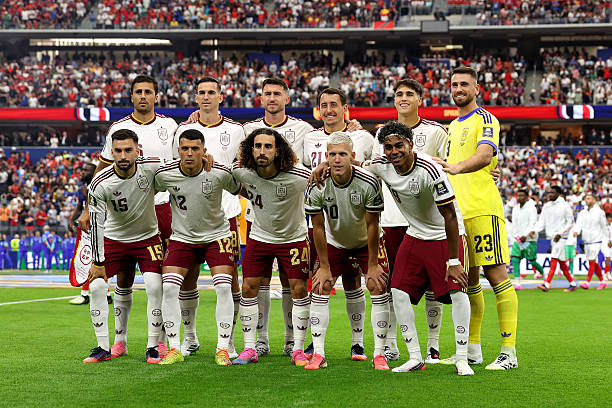

The FIFA World Cup is arguably the most popular and prestigious sporting tournament on the face of the Earth.
This spectacle of football has been going strong since its maiden edition in 1930.
Only eight countries have ever had the privilege of winning the World Cup.
Here is the full list of countries that have won the FIFA World Cup, updated after the 2026 tournament in North America.
1. Brazil (5 titles)
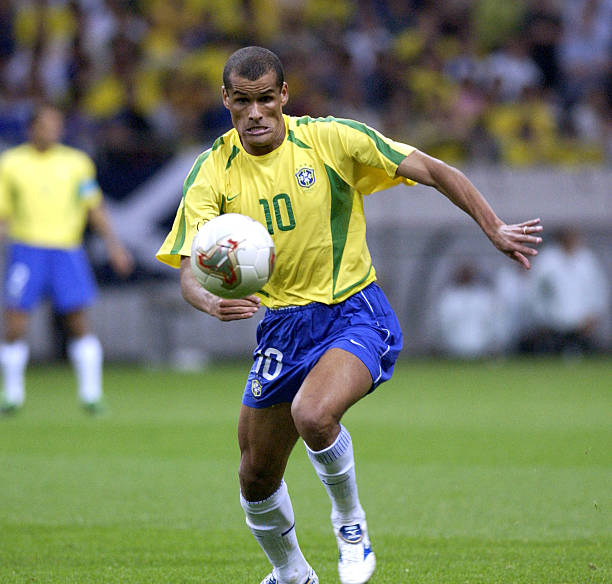
The Brazilian national team are the most successful senior men’s national football team in history, having won the World Cup a record five times in 1958, 1962, 1970, 1994, and 2002.
The Samba Boys, as they are fondly called, have always brought entertainment and spectacle to every tournament they attend, and they also hold the record of having played in every single World Cup finals since the competition began.
One of the reasons why Brazil are always favourites to win the World Cup is because they consistently produce some of the most talented footballers on the planet, and even today, the top Brazilian soccer players play for the best clubs in Europe.
2. Germany (4 titles)
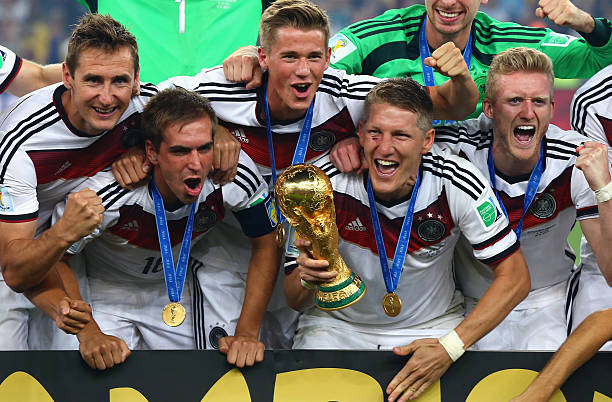
Germany have won the World Cup four times, in 1954, 1974, 1990, and 2014, and are respected across the world for their discipline, organisation, and unyielding determination.
They are one of the most consistently successful nations in the history of the tournament, reaching the final on eight separate occasions.
Their 2014 triumph in Brazil, which included a stunning 7-1 semi-final demolition of the host nation, is considered one of the most dominant World Cup winning campaigns in the history of the competition.
At the 2026 World Cup, Germany were eliminated in the Round of 32 on penalties by Paraguay, Germany’s first ever penalty shootout defeat at a World Cup.
3. Italy (4 titles)
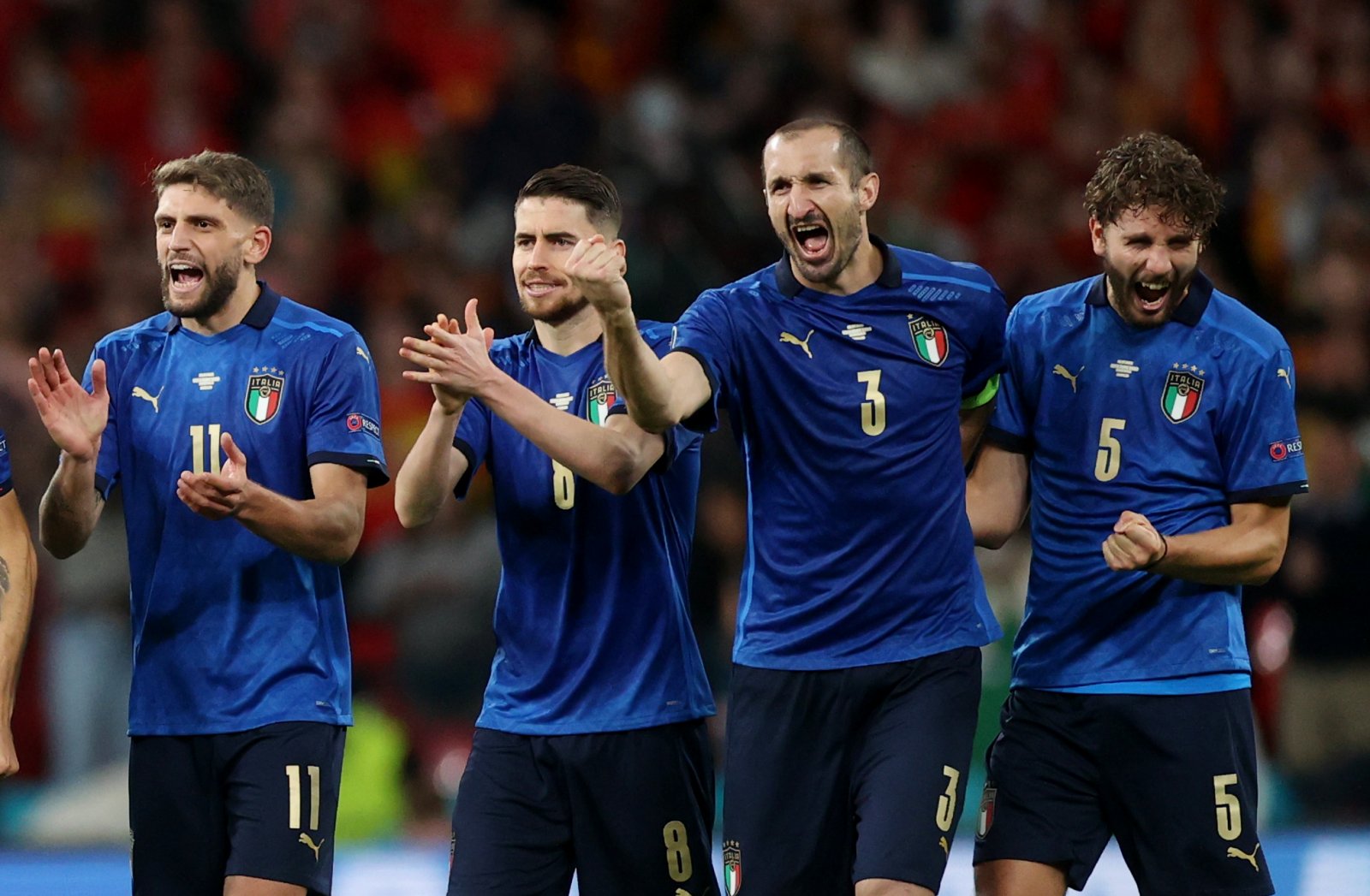
The Azzurri have won the World Cup four times, in 1934, 1938, 1982, and 2006, and are respected for the doggedness and passion they bring to every tournament.
Their back-to-back titles in 1934 and 1938 under Vittorio Pozzo remain the only consecutive World Cup wins by any manager in the history of the competition.
Italy failed to qualify for the 2018 World Cup and were eliminated in the group stages in 2022, and did not qualify for the 2026 tournament, a painful period for one of the sport’s great football nations.
4. Argentina (3 titles)
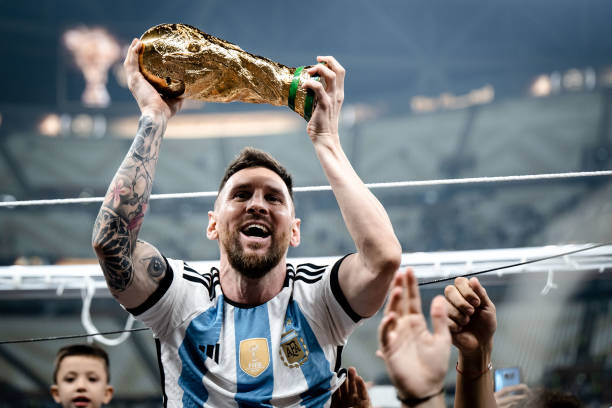
Argentina have won the FIFA World Cup three times, in 1978, 1986, and 2022, and are currently the country with the most trophies in international football.
Their 2022 triumph in Qatar, led by Lionel Messi, was one of the greatest World Cup finals in history, defeating France on penalties after a 3-3 draw.
At the 2026 World Cup, Argentina entered as defending champions and reached the final in New Jersey, beating England 2-1 in the semi-finals with Messi creating both goals.
But they were beaten by Spain in the final, a game marred by Argentina’s cynical approach that saw Enzo Fernandez sent off for a second yellow card in stoppage time.
Argentina made only 464 passes compared to Spain’s 852, became the first team in World Cup history not to have a single shot in 90 minutes of a final, and Emiliano Martinez was forced into 11 saves, the most by any goalkeeper on record in a World Cup final.
It may also have been Lionel Messi’s final World Cup game, with the 39-year-old having scored eight goals across the tournament.
5. France (2 titles)
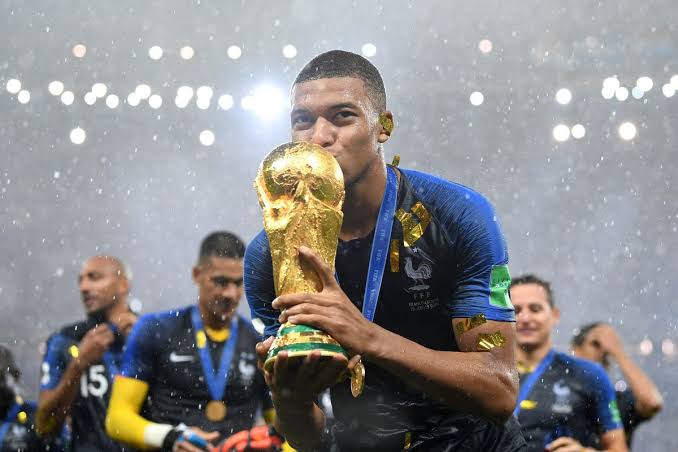
France have won the World Cup twice, in 1998 on home soil and in Russia in 2018, and are one of the most talented and well-stocked nations in world football.
Their 1998 triumph was built on the genius of Zinedine Zidane and a rock-solid defence, while their 2018 win in Russia came with one of the most expensively assembled squads in tournament history.
At the 2026 World Cup, France reached the semi-finals before losing to Spain, with Kylian Mbappé winning the Golden Boot for the second time in his career, becoming the first player in World Cup history to win the award twice.
6. Spain (2 titles)
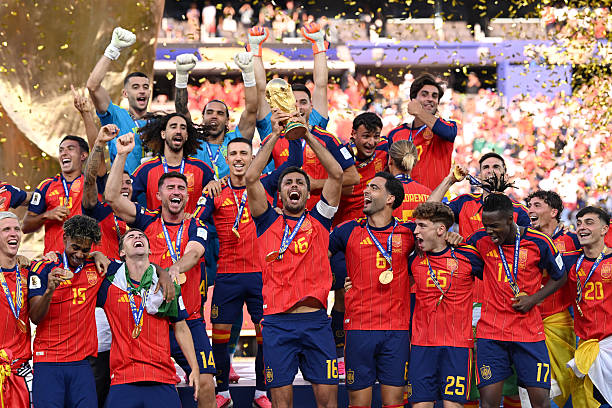
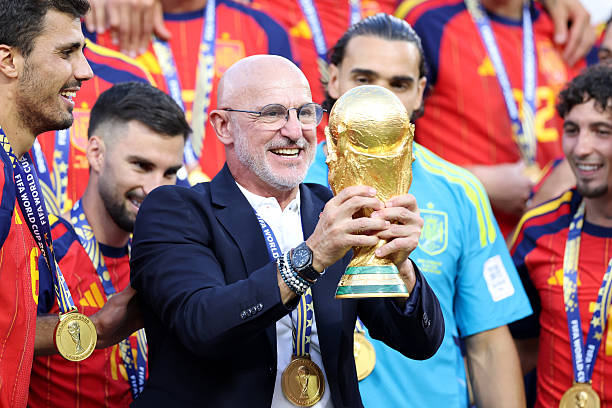
Spain won their second FIFA World Cup title on July 20, 2026, defeating Argentina in the final at MetLife Stadium in New Jersey, and in doing so became the first nation ever to hold the men’s and women’s World Cup titles simultaneously.
Ferran Torres scored the only goal of the game after 106 minutes, collecting a header from substitute Nico Williams to fire past Emiliano Martinez with a powerful close-range strike in what was a grinding and at times cynical final.
According to BBC Sport, Spain had 65% possession, an expected goals tally of 1.94, and 20 shots on goal with 11 on target, and conceded just one goal across the entire tournament, the fewest ever conceded by any World Cup winning team.
Goalkeeper Unai Simon won the Golden Glove having kept seven clean sheets in eight matches, Pau Cubarsi was named Young Player of the Tournament at just 19 years old, completing 121 passes in the final alone, and Lamine Yamal became the third-youngest player ever to play in a World Cup final at 19 years and six days old.
Spain’s win also extended their unbeaten run to 38 matches, the longest unbeaten run by any European national team in history, and capped a remarkable five-year period in which they won 16 major titles.
Their first World Cup in 2010 came with the greatest squad ever assembled in Spanish football history.
Their second came with a generation that may be even better.
7. Uruguay (2 titles)
Uruguay were one of the most powerful nations in the early editions of the tournament, winning the first ever World Cup in 1930 as hosts and following it up with a famous triumph in 1950 in Brazil, a victory remembered as the Maracanazo.
Since then they have fallen somewhat down the pecking order, but remain a respected and feared force in South American football and have produced extraordinary talents across every generation.
8. England (1 title)
The proverbial home of football have won the World Cup only once in their history, back in 1966 when they hosted the tournament at Wembley and Bobby Moore lifted the Jules Rimet trophy.
England is one of the countries with the most football fans in the world and the pursuit of a second World Cup title remains the defining obsession of English football.
At the 2026 World Cup, England reached the semi-finals before losing 2-1 to Argentina, with Messi creating both goals in a performance that underlined why the 39-year-old remains one of the greatest players in the history of the game.