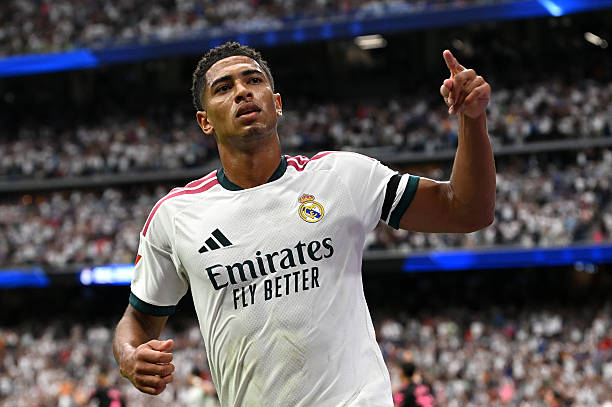


Football has never been bigger business. The 29th edition of the Deloitte Football Money League, published in January 2026, confirmed that the top 20 clubs in world football generated a combined record of €12.4 billion in revenue during the 2024/25 season, an 11 percent increase on the previous year, with every major revenue stream reaching historic highs.
Commercial revenue surpassed €5 billion for the first time, becoming the largest revenue stream for the top 20 clubs combined.
Matchday revenue grew 16 percent, the highest proportional growth rate for the fourth consecutive year, while broadcast income grew 10 percent, driven largely by the expanded FIFA Club World Cup held in the United States in the summer of 2025.
Six of the top 10 clubs are from the Premier League, but for the first time in the report’s history, the top four positions are all held by continental European clubs.
Here are the top 10 football clubs with the highest revenues in the world, updated for 2026.
Top 10 Football Clubs With The Highest Revenues (2026)
10. Chelsea FC — €584.1 Million

Chelsea close out the top 10 with revenues of €584.1 million for 2024/25, maintaining their position among the wealthiest clubs in world football despite a turbulent period of squad rebuilding under the ownership of Todd Boehly and Clearlake Capital.
Since taking over from Roman Abramovich in 2022, the new ownership has invested heavily in transfers, and while results on the pitch have been inconsistent, commercial income has remained strong, bolstered by one of the largest global fanbases in the sport.
Chelsea Women also contributed to the club’s broader financial picture, generating the highest commercial revenue of any women’s club in the Deloitte Women’s Football Money League top 15, underlining how seriously the club takes its full football operation.
With improved domestic form in 2024/25 and continued Champions League ambitions, Chelsea’s position in the top 10 looks secure.
9. Tottenham Hotspur — €672.6 Million

Tottenham Hotspur generated €672.6 million in 2024/25, a 9 percent increase on the previous year, and their financial model is one of the most instructive in modern football.
Spurs have transformed their state-of-the-art stadium into a year-round commercial engine, hosting NFL games, concerts, boxing events, and major non-football occasions that generate significant income regardless of where the team finishes in the table.
The club operates an on-site hotel, brewery, and premium hospitality offering that keeps the Tottenham Hotspur Stadium active and revenue-generating throughout the calendar year, a model that other clubs across Europe are beginning to study and replicate.
Their 9 percent revenue growth was among the strongest in the top 10, and consistent Champions League participation would push them even higher in future editions.
8. Manchester United — €793.1 Million
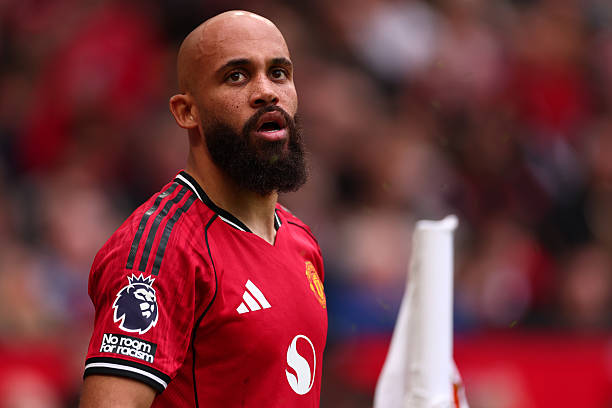
Manchester United’s eighth-place finish is their lowest position in the Money League’s 29-year history, and the numbers tell the story clearly.
The club generated €793.1 million in 2024/25, up from €771 million the previous year, with combined matchday and commercial revenues increasing by €75 million.
However, a €52 million year-on-year decrease in broadcast revenue reflected the direct consequence of poor league finishes and reduced European participation in recent campaigns.
United have topped the Money League in 10 of its 29 editions and were the world’s richest club for much of the 2000s, but the financial gap between the club and the top five has grown considerably.
Under Sir Jim Ratcliffe’s part-ownership and a new football leadership structure, significant changes are underway, and plans for a potential new stadium could transform the club’s matchday revenue in the long term.
7. Arsenal — €821.7 Million
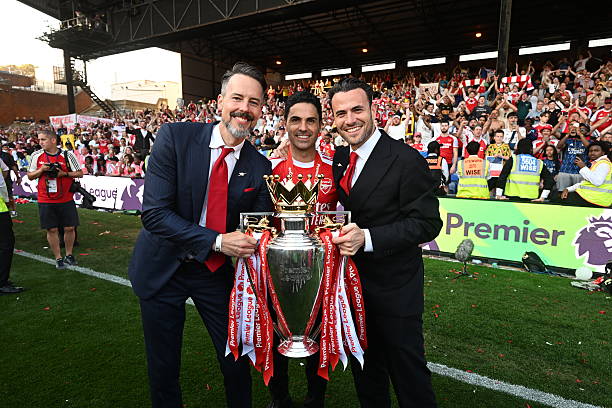
Arsenal’s 15 percent revenue growth was the strongest of any club in the entire top 10, and the reason is simple: consistent Champions League football has transformed the club’s financial picture.
The Gunners generated €821.7 million in 2024/25, rising to seventh globally and third among English clubs, with improvements across all three revenue streams driven by their sustained return to elite European competition.
Arsenal Women added to the story, topping the Deloitte Women’s Football Money League for the first time with revenues of €25.6 million, dethroning FC Barcelona Femeni and confirming the club’s commitment to football at every level.
With a Premier League title won in 2025/26 and continued Champions League football guaranteed, Arsenal’s upward trajectory in the Money League is firmly established.
6. Manchester City — €829.3 Million

Manchester City’s slide to sixth place was the most discussed development among English clubs in the 2026 Money League, representing their lowest ranking since the Covid-19-impacted 2019/20 season.
The club generated €829.3 million in 2024/25, a marginal decrease of around 1 percent on the previous year, making them the only club in the top 10 to see revenues fall.
The primary cause was finishing third in the Premier League rather than winning it, combined with an earlier Champions League exit compared to the previous campaign, both of which directly reduced broadcast income.
City were the highest-earning English club as recently as 2022/23, but Liverpool have now overtaken them for the first time in Money League history.
Their commercial infrastructure remains formidable, and a return to domestic and European dominance under Pep Guardiola’s successor would quickly restore their position near the top of the English revenue rankings.
5. Liverpool — €836.1 Million

One of the defining stories of the 2026 Money League was Liverpool becoming the highest revenue-generating English club for the first time in the report’s history.
The Reds generated €836.1 million in 2024/25, driven by a 34 percent increase in broadcast revenue following their return to the Champions League and a 7 percent rise in commercial income on the back of more non-matchday events at Anfield.
Liverpool’s rise reflects years of commercial investment by Fenway Sports Group, who have expanded Anfield’s capacity, built a global partnerships portfolio, and created one of the most commercially sophisticated operations in European football.
Arne Slot’s Premier League title win in his debut season provided the on-pitch platform that commercial revenues depend on, and Liverpool are now one of the top football teams in England by every measure, on the pitch and off it.
4. Paris Saint-Germain — €837 Million
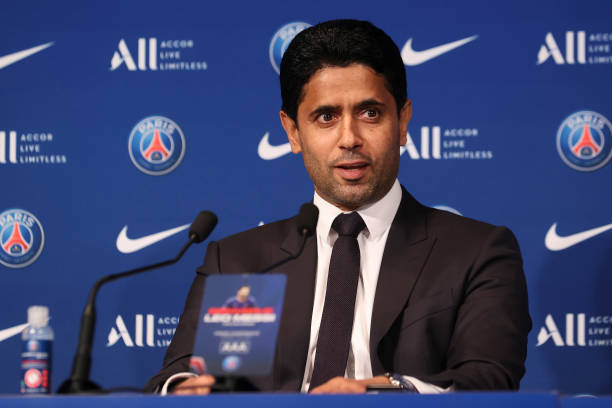
Paris Saint-Germain maintained their top-five status for a fourth consecutive year, generating €837 million in 2024/25, with their biggest financial catalyst being the club’s first ever UEFA Champions League title.
The historic European triumph delivered significant broadcast and commercial uplifts across the season.
PSG continue to successfully leverage their global brand through high-profile partnerships, most notably with Air Jordan, which has embedded the club’s presence in popular culture well beyond football.
Kylian Mbappe’s departure to Real Madrid in 2024 was widely predicted to damage PSG commercially, but the club’s revenues tell a different story, with consistent growth demonstrating the strength of their brand independent of any individual player.
Plans for a new stadium are also progressing, which would significantly increase matchday revenues that currently lag behind their English and Spanish rivals.
3. Bayern Munich — €860.6 Million

Bayern Munich rose two places to third in the 2026 Money League, generating €860.6 million in 2024/25 and cementing their status as the dominant financial force in German football.
The primary driver of their revenue growth was participation in the 2025 FIFA Club World Cup in the United States, which provided a significant broadcast income uplift and gave the club major commercial exposure to the American market.
Bayern’s business model is distinctive within European football, built around a member-owned structure, on-site commercial infrastructure including a hotel and brewery at the Allianz Arena, and one of the most loyal fanbases in world football.
Under Vincent Kompany, the club won back-to-back Bundesliga titles in 2024/25 and 2025/26, and their on-pitch consistency continues to provide the broadcast revenue foundation the commercial operation is built around.
They remain one of the most successful clubs in the history of football.
2. FC Barcelona — €974.8 Million
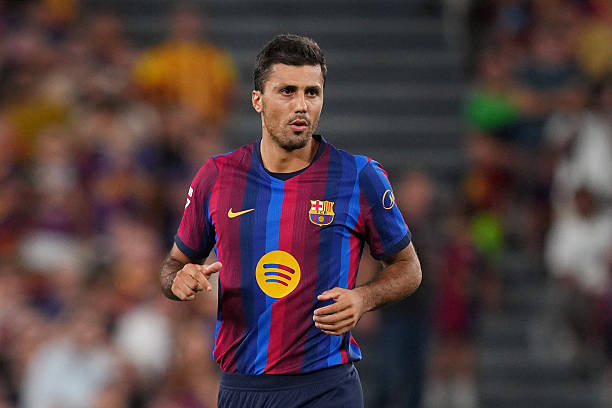
Barcelona’s return to the Money League podium, rising from sixth to second with revenues of €974.8 million, a 27 percent increase on the previous year, is one of the most remarkable financial stories in the report’s history.
The rise is all the more extraordinary given that the club continued to play home matches away from the Spotify Camp Nou, which remains under redevelopment.
A key driver was the introduction of Personal Seat License arrangements, generating an estimated €70 million in one-off income, a strategy Real Madrid deployed successfully during their own Bernabeu renovation in 2023/24.
Winning the 2024/25 UEFA Champions League provided further broadcast and commercial uplifts across the season.
Barcelona’s commercial revenue of €594 million alone would have been enough to place them in the top 10 of the Money League in its own right, reflecting the extraordinary strength of their global brand.
On the pitch, Hansi Flick’s side delivered one of the most exciting attacking seasons in modern Spanish football, built around Lamine Yamal, Pedri, and Fermin Lopez.
With the Camp Nou renovation nearing completion, the club’s matchday revenue potential is expected to grow further still, making a challenge to Real Madrid’s financial supremacy a real possibility in the coming years.
1. Real Madrid — €1,161 Million

Real Madrid are the richest football club in the world and they have made history to prove it.
The Spanish giants generated €1,161 million in revenue during 2024/25, becoming the first football club ever to exceed €1 billion in annual revenue, and they did it for the second consecutive year to top the Deloitte Money League for the third year running.
Their commercial revenue of €594 million alone would place them in the top 10 of the Money League in its own right, a figure that reflects the power of the Real Madrid brand across merchandising, sponsorship, and global partnerships.
Matchday revenue of €233 million, despite a 6 percent decrease primarily driven by a reduction in Personal Seat License sales, still ranks as the second highest ever recorded by any Money League club.
A 23 percent increase in commercial income, driven by improved merchandise performance and new global commercial partners, more than offset the matchday decline.
The gap between Real Madrid at number one and Barcelona at number two is €186 million, a figure larger than the total annual revenue of many top-flight European clubs and a reminder of just how far ahead the Bernabeu operation currently sits.
Real Madrid are one of the clubs with the most trophies in football history, and that sporting legacy is the engine behind the commercial machine, attracting global sponsors and broadcasters in a way that few brands in any industry can replicate.
For more on the financial and sporting side of the game, check out our guides to the football clubs with the most trophies, the best soccer teams in the world, and the richest football clubs in South Africa.


I am a ardent football fan and a fantastic writer.