
In the world today, you are sure to find football clubs in almost every country across every continent, from professional outfits competing in the world’s biggest leagues to amateur sides playing on a patch of grass every Sunday morning.
Many nations have registered vast numbers of clubs with FIFA through their national football associations, and the numbers, when you see them, tell a fascinating story about how different cultures have embraced the beautiful game in completely different ways.
For the purpose of this list, we are focusing on countries that have officially registered football clubs with FIFA through their national associations, covering all levels of the game from professional to grassroots.
Here are the 10 countries with the most football clubs in the world.
1. South Africa, 51,944 Football Clubs
The most surprising entry on this list is also the most deserving, because South Africa’s position at the top of this ranking is not an accident, it is the result of more than a century of football being used as a form of freedom.
Under apartheid, while rugby and cricket were essentially reserved for the ruling white minority, football was embraced by Black South Africans across the townships as their sport, played on dusty pitches, open ground, and makeshift fields in communities like Soweto, Khayelitsha, and Alexandra with whatever ball could be found.
When apartheid ended in 1994, all of that grassroots passion became official almost overnight, and the Football Association of South Africa began registering clubs across all nine provinces at a scale that no other country has matched before or since.
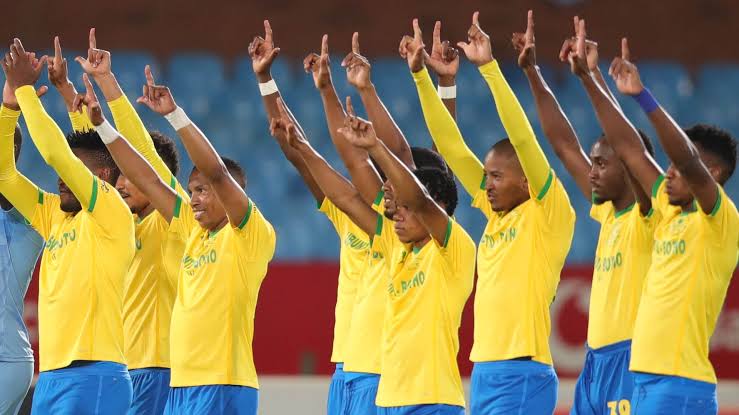
Today, South Africa’s 51,944 registered clubs make it the most football-rich nation on earth in terms of sheer club numbers, with iconic sides like Kaizer Chiefs, Orlando Pirates, and Mamelodi Sundowns sitting at the very top of a pyramid that stretches all the way down to community clubs nobody outside their neighbourhood has ever heard of.
2. Russia, 43,700 Football Clubs
Russia’s position as the second most club-rich football nation in the world makes a lot more sense when you consider that it is the largest country on earth, spanning eleven time zones and covering one-eighth of the world’s total land surface.
The deeper reason behind Russia’s 43,700 registered clubs is the Soviet Union’s legacy of state-mandated sport, a system that required every factory, university, military unit, and collective farm to field a football team as part of a broader physical culture programme designed to keep the population fit and unified.
When the USSR collapsed in 1991, those clubs did not disappear, they simply became privately organised, and the football culture they had built across hundreds of Russian cities and industrial towns survived and was formalised by the Russian Football Union in the years that followed.
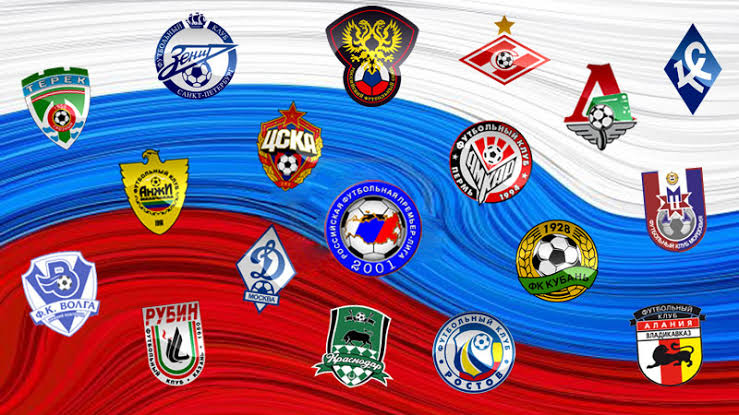
Well-known clubs like Zenit Saint Petersburg and CSKA Moscow represent the professional summit of Russian football, but the overwhelming majority of Russia’s 43,700 clubs exist at regional and amateur level, keeping the game alive across one of the most geographically spread nations in the history of organised sport.
3. England, 42,000 Football Clubs
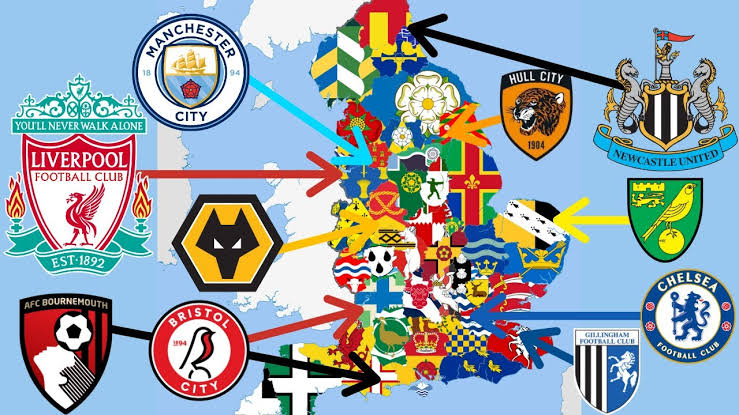
England invented the modern game, formalised the rules in 1863, and has spent every decade since making sure as many people as possible get to play it, which is why over 42,000 registered clubs now exist across the length and breadth of the country.
What makes England genuinely unique is not just the number of clubs but the extraordinary pyramid that connects them, with eleven tiers of organised football linking a Sunday morning parks team in Middlesbrough to the global commercial spectacle of the Premier League through an unbroken chain of promotion and relegation.
The Football Association, founded in 1863 and the oldest football association in the world, has spent over 160 years building football into the fabric of English community life, and the local football club has become as much a part of British identity as the local pub or church.
Popular clubs like Manchester United and less well-known ones like MK Dons are just two of the thousands of clubs you will find competing at various levels in the English football pyramid, and every single one of them is connected to the same extraordinary structure.
4. Germany, 26,760 Football Clubs
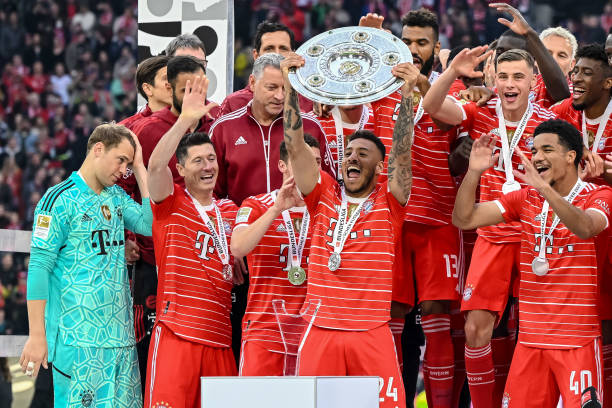
Germany’s 26,760 registered football clubs are a reflection of a country where organised sport is not just a hobby but a fundamental part of community life, built around the concept of the Sportverein, the local multi-sport club that has served as the social heart of German towns and villages for generations.
Unlike in most countries where football clubs exist purely for football, the German Sportverein model brings together football, athletics, swimming, gymnastics, and tennis under one membership, meaning that joining your local club is as normal in Germany as joining a school or a church.
The German Football Association, the DFB, has over seven million members and is the largest single sports federation on earth, and the football infrastructure it oversees runs from the global superpowers of Bayern Munich and Borussia Dortmund all the way down to village sides in rural Bavaria and Brandenburg.
Germany’s World Cup success across four titles and the Bundesliga’s reputation as one of the most fan-friendly leagues in world football have kept participation at every level consistently high, and the country’s record of producing elite talent generation after generation is the direct result of what happens when 26,760 clubs are all invested in the same development culture.
5. France, 21,629 Football Clubs
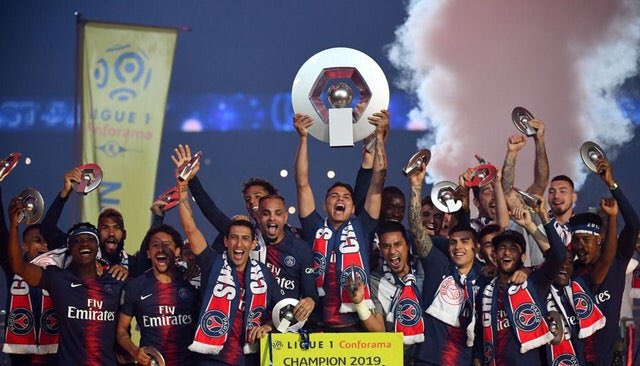
France’s 21,629 registered clubs represent a football nation whose transformation from a rugby-dominated country in the early 20th century to one of the most powerful football nations on earth happened gradually and then suddenly, driven in large part by waves of immigration from North Africa and sub-Saharan Africa from the 1960s onwards.
The banlieues, the suburban housing estates surrounding Paris, Lyon, and Marseille, became hotbeds of football talent, producing a pipeline of elite players from Zinedine Zidane through to Kylian Mbappé that has made France one of the best football nations in the world despite a domestic league that rarely dominates European competition.
The French Football Federation has invested heavily in grassroots infrastructure and coaching education at community level, and the results of that investment are visible every time a French player takes to the field at a major tournament, knowing that behind their performance lies a system of 21,629 clubs that identified, developed, and refined their talent from the earliest possible age.
6. Italy, 20,961 Football Clubs
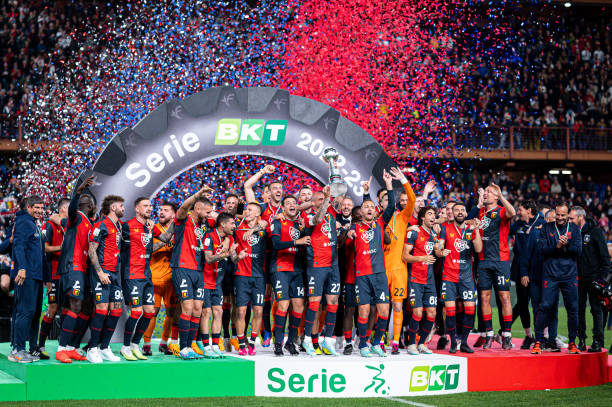
Football in Italy is not simply a sport, it is a cultural identity, a source of local pride, and in some parts of the country, practically a religion, and that deep emotional connection between Italians and their clubs is precisely why 20,961 of them exist at registered level.
The Italian football system is built around the concept of the local club as the centre of the community, from the historic giants of Juventus, AC Milan, and Inter Milan at the professional peak down to tiny village sides in Calabria and Sardinia playing in the Terza Categoria, the ninth tier of Italian football, with the same passion that fills the San Siro on a Champions League night.
Italy’s remarkable record of producing technically gifted footballers generation after generation, four World Cup titles and a string of European Champions League winners, is no coincidence, it is the natural outcome of a culture that treats football as something essential rather than something optional.
7. Uzbekistan, 15,000 Football Clubs
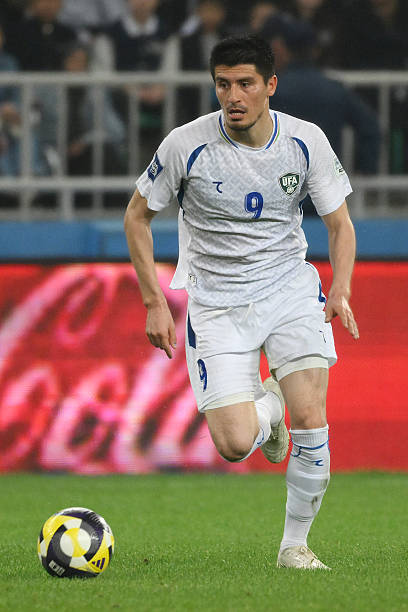
Uzbekistan is the entry on this list that surprises almost everyone, and yet the central Asian nation of 36 million people has 15,000 registered football clubs for reasons that are deeply rooted in history rather than any recent sporting revolution.
Under Soviet rule, the central Asian republics were subject to the same state-mandated sport culture as Russia, meaning that football clubs were embedded in factories, schools, universities, and military units across the entirety of what is now Uzbekistan, creating a grassroots football infrastructure that survived independence in 1991 largely intact.
The Uzbekistan Football Association has since formalised and expanded that network, and the country is now one of the fastest-growing football nations in Asia, producing players good enough to compete in the Asian Champions League and attracting genuine interest from European clubs in its best young talents.
8. Japan, 13,047 Football Clubs
Japan’s story is the most dramatic on this list, because 13,047 registered football clubs in a country where baseball was the undisputed national sport just three decades ago represents one of the most remarkable sporting transformations in modern history.
The launch of the J.League in 1993 was the turning point, as professional football arrived in Japan almost fully formed, with purpose-built stadiums, corporate sponsors, and a marketing machine designed to compete directly with baseball for the hearts and minds of Japanese sports fans, particularly the young.
Within a decade, football had embedded itself at school level across the entire country, and the Japanese Football Association built one of the most organised and methodical youth development systems in Asia, producing players who now compete regularly at top clubs in Europe’s biggest leagues.
Japan’s stunning run at the 2022 World Cup, which included famous wins over Germany and Spain in the group stages, was the most visible proof that those 13,047 clubs are doing something right.
9. Brazil, 12,987 Football Clubs
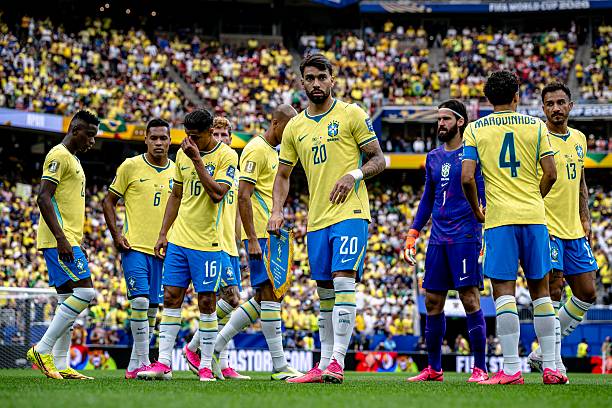
The honest truth about Brazil’s 12,987 registered clubs is that this number dramatically undercounts what is actually happening on the ground, because football in Brazil is played on beaches, in streets, on concrete courts, on dirt pitches with makeshift goals, in informal games that never get registered with any association and never will.
The formal clubs represent only the organised layer of a football culture so deep and so total that it has produced more of the greatest players in football history per capita than almost any other system on earth, from Pelé to Ronaldo to Ronaldinho to Neymar, each one shaped first by the streets before they ever set foot in an official club.
The Brazilian Football Confederation oversees a professional pyramid that includes state championships across all 26 states running simultaneously alongside the national Brasileirao, giving Brazilian clubs more competitive football than almost any other league structure in the world, and the 12,987 registered clubs sit at the base of all of it.
10. Spain, 10,240 Football Clubs
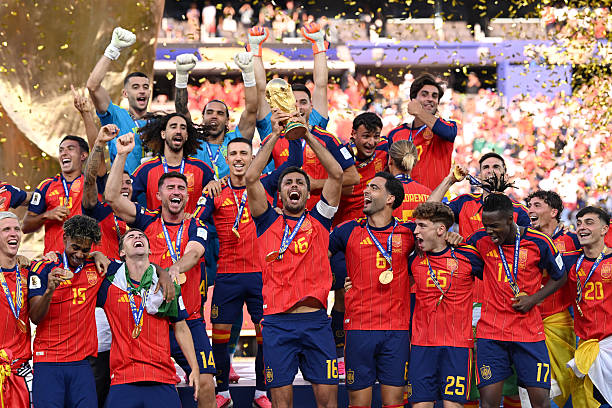
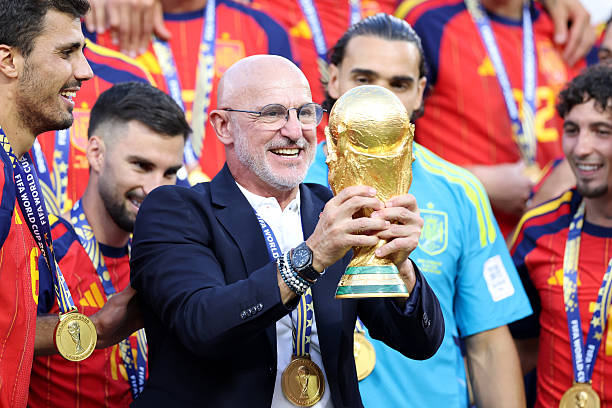
Spain’s 10,240 registered clubs produced the 2026 FIFA World Cup winners, and that outcome is not a matter of luck or coincidence but the logical result of a grassroots football system that has prioritised technical excellence at every level for more than three decades.
Each of Spain’s 17 autonomous communities has its own regional football federation, its own network of local leagues, and its own network of academies, all of them operating around the same technical philosophy of controlling the ball, moving it quickly, and trusting players to express themselves with skill and intelligence from the youngest possible ages.
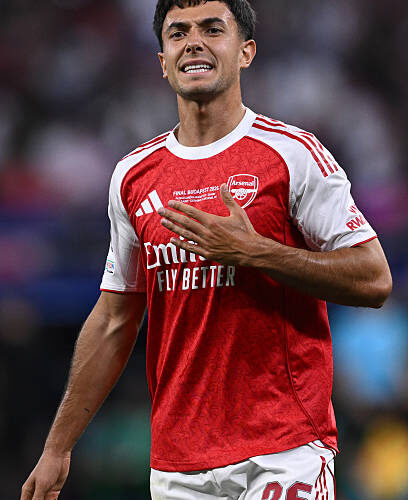
The most celebrated example of what that system can produce is Lamine Yamal, who walked through Barcelona’s La Masia academy, became the youngest player to score at a European Championship, and then won the World Cup at 19 years old, but behind Yamal there are thousands of players developed by the same approach at clubs most people outside Spain have never heard of.
If you enjoyed this article, check out our guide to the countries with the most football fans and our list of the best football national teams in the world.