
Every time Argentina takes the field at a major tournament, the same question circulates across social media, football forums, and comment sections around the world.
Where are the Black Argentine soccer players?
At the 2026 FIFA World Cup in North America, Argentina was the only nation among 48 participating countries without a single Black player in its squad.
It is a question worth answering properly, because the story behind it is one of the most fascinating and overlooked in the history of world football.
Why Does Argentina Have So Few Black Footballers?
The answer has nothing to do with talent and everything to do with history.
In 1800, Black people made up more than a third of Argentina’s population of around 187,000 people.
By 1875, the Argentine government had stopped counting them altogether in the national census. This was not an accident.
Argentina’s 19th-century leadership, influenced heavily by President Domingo Faustino Sarmiento (1868-1874), pursued a deliberate policy of “whitening the nation” by encouraging mass European immigration from Spain and Italy while systematically marginalizing the Afro-Argentine population.
Between 1880 and 1950, about four million European immigrants reshaped Argentina’s demographics, flooding the country with European ancestry and diluting earlier Afro-Argentine communities.
Wars, epidemics, and social exclusion compounded the erasure. The War of the Triple Alliance (1864-1870) saw thousands of Afro-Argentine soldiers sent to the front.
Cholera epidemics struck in 1861 and 1864. A yellow fever epidemic devastated Buenos Aires in 1871, killing communities concentrated in poorer, Afro-Argentine neighbourhoods.
Former President Carlos Menem said it plainly decades later: “In Argentina Blacks do not exist, that is a Brazilian problem.”
Nevertheless, Afro-Argentines have always been present.
At the 2026 World Cup, Argentina remained the only squad among 48 nations without a Black player, a circumstance that The Big Lead described as “the calculated result of a 19th century government campaign designed to systematically erase Black people from the nation.”
Today, according to the 2022 Argentine census, fewer than 1% of the country’s 46 million people identify as Black or Afro-descendant.
The low representation in football is a natural reflection of those numbers, but those numbers themselves are the product of deliberate historical forces, not natural demographic drift.
And yet, through it all, Black Argentine footballers have played and, in several cases, excelled at the very highest level of the game.
Here are their stories.
The Three Black Soccer Players Who Wore The Argentina Shirt
In the entire history of the Argentine national football team, only three players of confirmed Black or African ancestry have ever represented the Albiceleste.
1. Alejandro de los Santos (1902-1982), The First
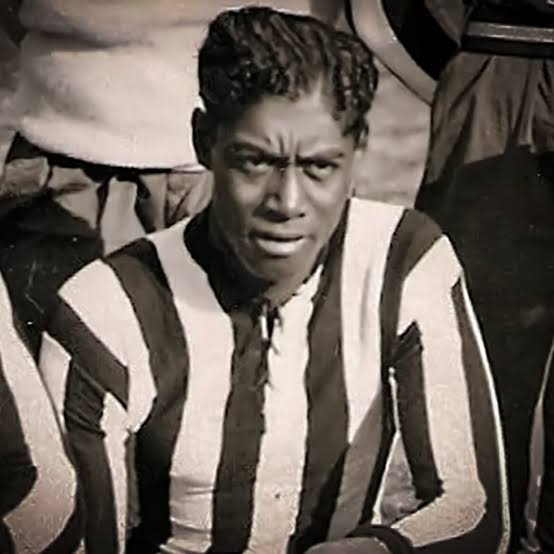
Alejandro Nicolás de los Santos is the most important figure in the history of Black Argentine football, and most people have never heard his name.
Born in Paraná, Entre Ríos, on May 17, 1902, de los Santos was a direct descendant of Africans who arrived in the Río de la Plata region through the transatlantic slave trade, a lineage confirmed by Argentine historian Francisco Sosa through birth records and genealogical research published in 2015.
He signed for San Lorenzo in 1921 and made his debut on May 22 in a 2-0 win over Banfield, before going on to play for Dock Sud, El Porvenir, and Huracán, where he scored 21 goals in 73 league appearances.
In December 1925, he won the South American Championship with Argentina, becoming the first Black footballer ever to represent the Argentine national team.
His colour, however, eventually became a barrier.
Argentina’s neighbour, Uruguay, allowed Black players to represent its national team without question, but Argentina’s football establishment was, according to historians, almost exclusively white in its selection outlook, and de los Santos was not invited to the 1930 World Cup despite being one of the most talented forwards in the country.
He retired to work as a customs officer at the port of Buenos Aires and died on February 16, 1982.
His story was largely forgotten until researchers began uncovering it in the 21st century, and he is now recognised, belatedly, as one of the true pioneering figures in Argentine football history.
2. José Ramos Delgado (1935-2010), He Played With Pelé
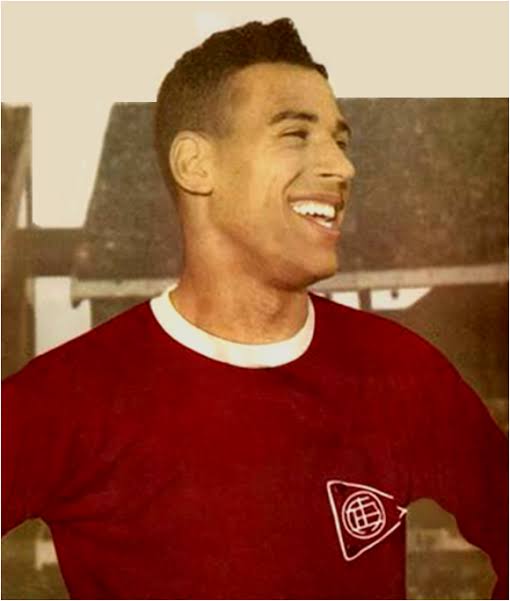
José Manuel Ramos Delgado was one of the finest defenders in South American football history, a man who captained the Argentine national team and played alongside Pelé at Santos, yet remains almost entirely absent from mainstream football history.
Born on August 25, 1935, in Quilmes, Buenos Aires, Ramos Delgado belonged to Argentina’s Cape Verdean community through his father, who was born in São Vicente, Cabo Verde, part of the wave of Cape Verdean immigration to Argentina in the 1920s-1940s driven by famine and resource depletion on the islands.
He began his career at Lanús in 1956 before earning a move to River Plate, where he made 172 appearances across seven seasons and became a revered figure among fans despite never winning a championship with the club.
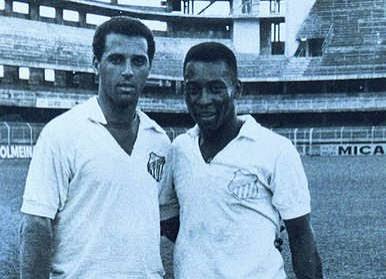
In 1966, he moved to Santos in Brazil, joining the club during its golden era alongside Pelé, Coutinho, and José Macia.
He made a staggering 324 appearances for Santos, winning four Paulista state titles (1967, 1968, 1969, 1973) and the Torneio Roberto Gomes Pedrosa in 1968.
Between 1958 and 1965, he made 25 appearances for the Argentina national team, captaining them in 16 of those matches and representing the country at both the 1958 World Cup in Sweden and the 1962 World Cup in Chile.
He was known simply as “El Negro” throughout Argentine football, a nickname that carried affection in the South American context, and was described by contemporaries as a calm, composed leader who commanded total respect.
After retiring from playing, he managed Santos, returned to Argentina to manage clubs including River Plate and Estudiantes de La Plata, and helped develop a young Robinho as a youth coach back at Santos.
He passed away on December 3, 2010, from Alzheimer’s disease in Villa Elisa, Buenos Aires.
He was the second Black player ever to represent Argentina and one of the most accomplished South American defenders of the 20th century, a figure who deserves to be celebrated in the same breath as the greatest players of his generation.
3. Héctor Baley (born 1950), The World Cup Winner
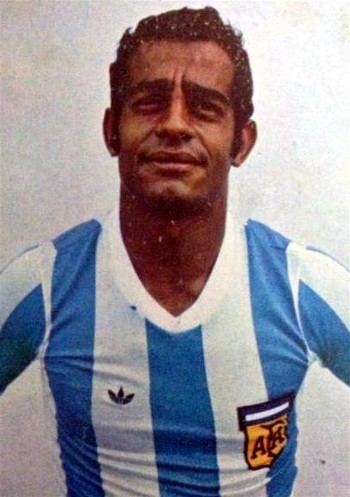
Héctor Rodolfo Baley is a 1978 FIFA World Cup winner and the third, and most recent, Black player ever to represent the Argentine national team.
Born on November 16, 1950, in Bahía Blanca, Baley is one-quarter of African origin through his paternal grandfather, whom he believed may have come from a British colony in Africa or from Senegal, though the exact origin remained uncertain.
He built his career at Estudiantes de La Plata, Colón de Santa Fe (79 league appearances), Huracán, and Independiente, where he won the Nacional championship in 1978.
That same year, he was selected for Argentina’s World Cup squad for the tournament on home soil, serving as backup to the legendary Ubaldo Fillol and earning a World Cup winner’s medal, one of only a tiny number of Black players ever to have won a FIFA World Cup.
He was capped 11 times for the national team between November 1976 and March 1982 and is still remembered for a commanding display in a 1982 friendly against West Germany.
Known by the nickname “Chocolate” because of his dark skin, Baley also holds the distinction of being the first goalkeeper to save a penalty from a young Diego Maradona.
He remains the last Black player to have represented Argentina at senior international level, a record that stood through the 2026 World Cup and shows no sign of being broken in the near future.
Modern Afro-Argentine Footballers: The Club Players
While only three Black players have represented the Argentina national team, a small number of Afro-Argentine footballers have made their mark at top clubs across Argentina, Europe, and South America.
4. Miguel Montuori (1932-1998), The Fiorentina Legend
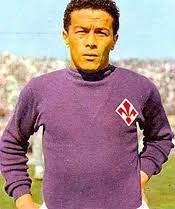
Miguel Ángel Montuori is the most decorated footballer of Afro-Argentine descent in history, yet almost nobody in Argentina knows his name.
Born on September 24, 1932, in Rosario to an Italian father and an Afro-Argentine mother, Montuori emigrated to Chile as a young man and joined Universidad Católica, winning the Chilean Primera División in 1954 with 24 goals in 26 appearances before Fiorentina brought him to Italy in 1955.
At Fiorentina he was handed the number 10 shirt and became one of the club’s greatest ever players, making 162 Serie A appearances and scoring 72 goals across six seasons, winning the Serie A title in 1955/56, the Coppa Italia in 1960/61, and the European Cup Winners’ Cup in 1960/61 before a detached retina suffered in a friendly against Perugia ended his career at just 28 years old.
He represented Italy internationally, making 12 appearances and becoming the first non-Italian born player ever to captain the Azzurri, wearing the armband against Spain in Rome on February 28, 1959.
He was inducted into the Fiorentina Hall of Fame in 2016 and died in Florence on June 4, 1998.
His Afro-Argentine heritage through his mother places him firmly in this story, even if Argentina never had the chance to see what he could do in the Albiceleste shirt.
5. Clemente Rodríguez (born 1981), The Olympic Champion
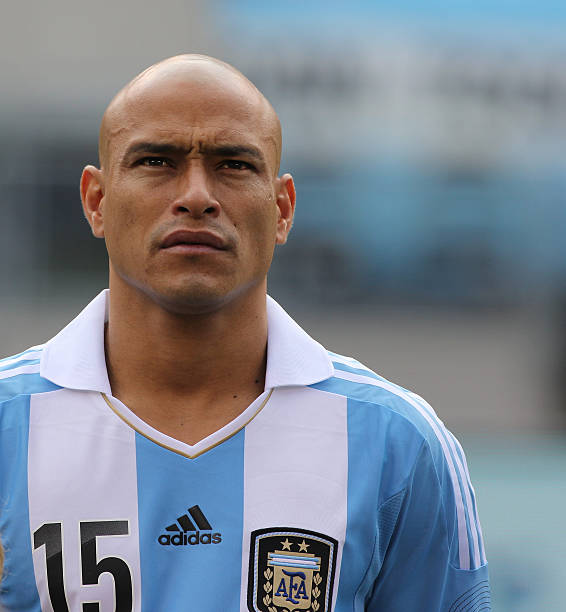
Clemente Juan Rodríguez is one of the most decorated Afro-Argentine footballers of the modern era.
Born on July 31, 1981, in Buenos Aires and confirmed on Wikipedia’s Afro-Argentine sportspeople list, Rodríguez made his league debut for Boca Juniors in a 2-1 defeat to Chacarita Juniors on December 10, 2000, and went on to become an important player in one of the club’s most successful periods, winning the Intercontinental Cup in 2003.
He was part of the Argentine Olympic football team that won gold at the 2004 Athens Summer Olympics and went on to earn a place in Argentina’s 23-man squad for the 2010 World Cup in South Africa, selected by Diego Maradona while playing for Estudiantes de La Plata.
A versatile left back who could play on either flank, his career also took him to Spartak Moscow, Espanyol on loan, and São Paulo across more than two decades as a professional.
6. Fernando Tissone (born 1986), The European Journeyman
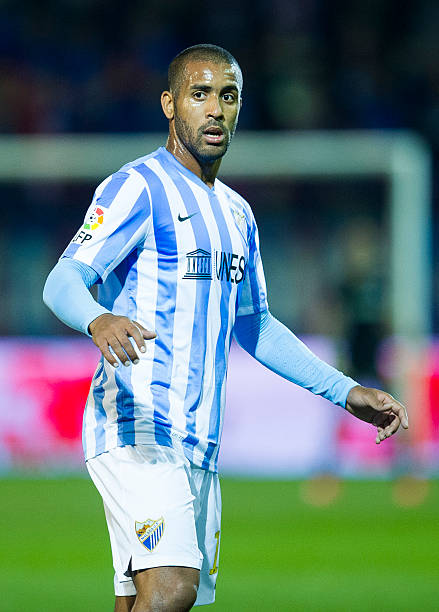
Fernando Tissone carved out a decade-long career across Serie A and La Liga that most football fans in Argentina would be surprised to know about.
Born on June 7, 1986, in Quilmes, Buenos Aires, and of Cape Verdean heritage, Tissone joined Udinese in 2005 and made 26 Serie A appearances before Atalanta signed him for €1.5 million in August 2006.
He currently holds an Italian passport.
He went on to make 33 and 35 Serie A appearances in consecutive seasons for Atalanta, joined Sampdoria in July 2009 in a deal worth €2.5 million, made 52 league appearances and scored against Brescia on May 1, 2011, and was loaned to RCD Mallorca in La Liga in August 2011.
After Mallorca’s relegation, he signed for Málaga on a free transfer on July 6, 2013, on a three-year deal, representing one of the most sustained European careers of any Afro-Argentine player in recent decades.
7. Cristian Tissone (born 1988), The Cape Verdean-Argentine Defender
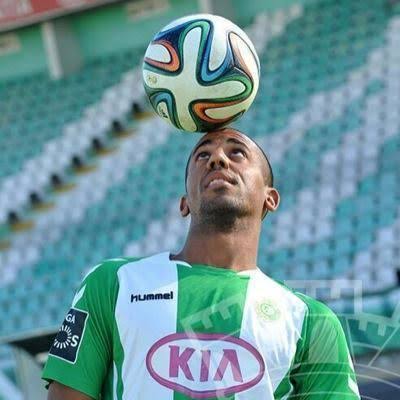
Cristian Hernán Tissone is Fernando’s younger brother and another confirmed Afro-Argentine footballer whose Cape Verdean roots gave him a direct connection to Africa through his grandfather.
Born on February 8, 1988, in Quilmes, Buenos Aires, Cristian came through Atalanta’s youth system in Italy before a professional career that took him across Italy, Spain, Finland, Portugal, and Costa Rica.
He played for Pro Sesto in Italy, Mallorca B and Olot in Spain, and Honka in Finland before signing for Vitória de Setúbal in Portugal on a two-year contract in the summer of 2015, later playing for Anadia and Mirandela in the Portuguese lower leagues.
He holds an Italian passport and is also eligible for Cape Verdean citizenship through his grandfather, a fact that Cape Verde’s football federation noted, reportedly approaching Cristian about the possibility of representing the island nation internationally in 2016.
His story alongside Fernando’s illustrates how Argentina’s Cape Verdean community, concentrated in Quilmes and the wider Buenos Aires province, produced a generation of footballers who carried African heritage quietly into the professional game across three continents without the wider football world ever really noticing.
8. Wilson Severino (born 1980), The Working-Class Hero
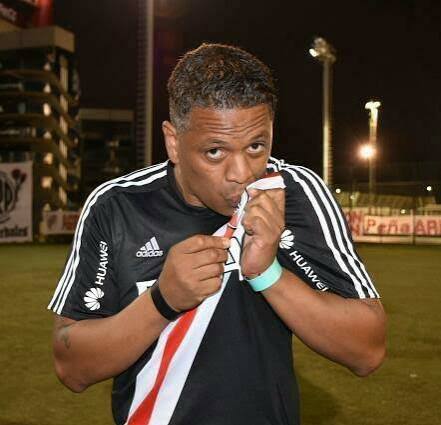
Wilson del Valle Severino is one of the most human stories on this entire list, a lower-league striker whose Black Argentine identity is every bit as valid as any player who reached the top flight.
Born on February 25, 1980, in Río Cuarto, Argentina, to an Afro-Brazilian father and an Argentine mother, Severino emerged from the amateur divisions of Boulougne Atlético before joining Central Ballester in 2003 for his professional debut.
He became the leading scorer at fifth-division club Atlas with 39 goals by mid-2009, and in 2007 scored the only goal of a friendly cup game against Boca Juniors at La Bombonera, a moment that became the defining story of his career.
Like all Atlas players at the time, Severino worked as a sweeper on the tracks of the Belgrano Norte Line railway in Grand Bourg while continuing to play football, a detail that says everything about the realities of life for lower-league players in Argentina.
He was the subject of a Fox Sports Argentina reality show, Atlas, la otra pasión, which brought his story to a national audience.
9. Facundo Silva (born 1991), The Primera División Winger
Facundo Ezequiel Silva is a confirmed Afro-Argentine footballer who made his mark at the top level of Argentine football across a career spanning more than a decade.
Born on January 19, 1991, in La Plata, Argentina, Silva came through Arsenal de Sarandí’s youth system and made his Argentine Primera División debut in June 2009 before scoring his first senior goal against Argentinos Juniors on November 23 of that year.
His career took him to Defensa y Justicia, Godoy Cruz in the Primera División, Colón on loan, and eventually to Quilmes, making 138 career appearances and 15 goals across Argentine football’s top and second tiers as well as appearances in the Copa Libertadores and Copa Sudamericana with Godoy Cruz.
He is confirmed on Wikipedia’s official Afro-Argentine sportspeople list and represents the quiet, consistent presence of Black Argentine footballers at the professional level of the domestic game.
10. Ayrton Costa (born 1999), Boca Juniors’ Cape Verdean Defender
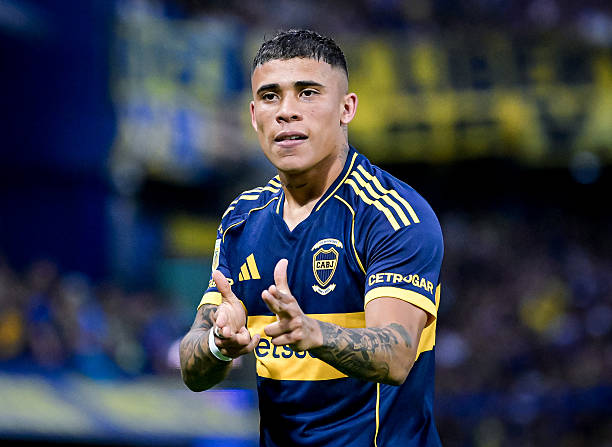
Ayrton Costa is one of the most prominent Black Argentine footballers playing at top level right now, a Boca Juniors starter whose Cape Verdean grandfather attracted international attention ahead of the 2026 World Cup.
Born on July 12, 1999, in Quilmes, Costa came through Independiente’s academy, played for Platense and Royal Antwerp in Belgium, and joined Boca Juniors on January 16, 2025 on a contract until December 2028, establishing himself as one of the defensive mainstays under the club’s current setup.
Cape Verde’s football authorities confirmed publicly in October 2025 that Costa is eligible to represent the national team through his Cape Verdean grandfather.
Javier Andrigo of the Society of Mutual Aid of the Union of Cape Verdeans in Argentina telling newspaper Olé: “Ayrton is the grandson of a Cape Verdean, so if he were to become a national and was called up, he could play in the World Cup.”
Costa declared himself “100% Argentine” and declined the approach. Cape Verde went on to have an amazing 2026 World Cup.
11. Cristian Medina (born 2002), The Superclásico Scorer
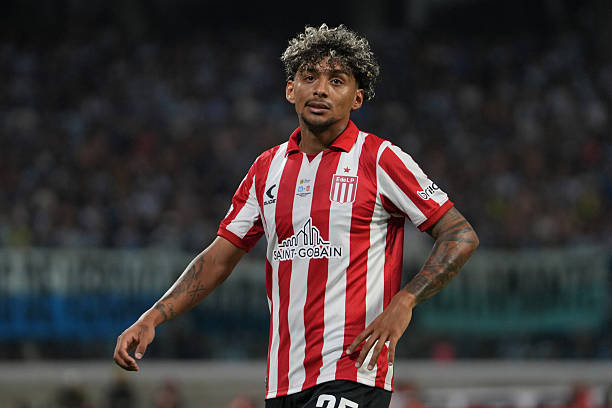
Cristian Medina is the most technically gifted young Afro-Argentine footballer of his generation.
Born on June 1, 2002, in Moreno, Buenos Aires, and confirmed on Wikipedia’s Afro-Argentine sportspeople list, Medina came through Boca Juniors’ academy and debuted for the first team on February 14, 2021.
He won the Liga Profesional in 2022, the Copa de la Liga Profesional in 2022, and the Supercopa Argentina in 2023, before scoring a famous equalizer against River Plate in the Superclásico at El Monumental on February 25, 2024.
Argentine football media nicknamed him “the new Gago” for his composure and vision in midfield.
Fenerbahçe under Mourinho bid €15 million plus bonuses for him in 2024 before he moved to Botafogo in Brazil on February 20, 2026, on a contract until December 2029, becoming one of the most exciting Argentine exports to South American football.
He represented Argentina at youth level, including the 2024 Paris Olympics.
12. Héctor David Martínez (born 1998), The River Plate Defender Who Chose Paraguay
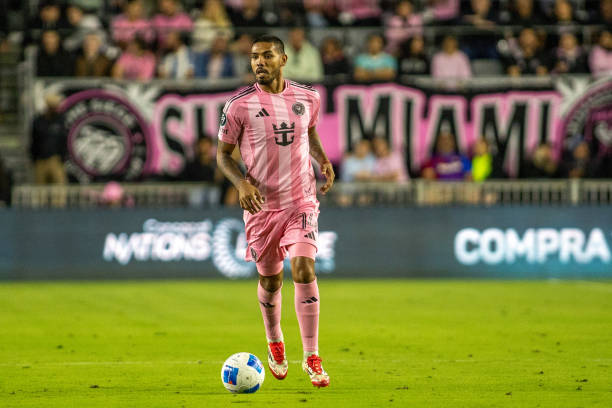
Héctor David Martínez is a confirmed Afro-Argentine footballer born in Buenos Aires whose career has taken him from River Plate’s academy to Inter Miami and back, and whose international journey reflects the complicated identity choices available to mixed-heritage players in Argentine football.
Born on January 21, 1998, in Buenos Aires, Martínez came through River Plate’s youth system and represented Argentina at the 2015 South American U-17 Championship and the 2015 FIFA U-17 World Cup before making his professional debut for River in December 2018.
He joined Defensa y Justicia on loan in July 2019, making 20 league appearances and scoring twice, before a permanent move and subsequent loan back to River, and then a loan spell at Inter Miami in 2024-25 where he was part of the squad that won the MLS Supporters’ Shield in 2024 alongside Lionel Messi.
Despite representing Argentina at youth level, he chose to represent Paraguay at senior international level through his Paraguayan mother, debuting for the Albirroja in a 3-1 Copa América 2021 win over Bolivia on June 14, 2021.
He is currently on loan at Defensa y Justicia from River Plate for the 2026 Liga Profesional season.
13. Dalila Ippólito (born 2002), Argentina’s Black Women’s International
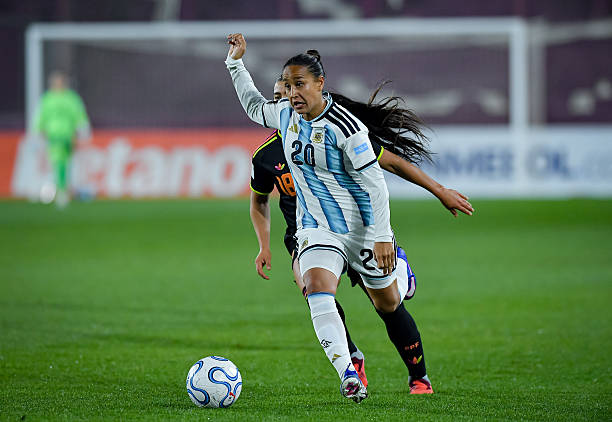
Dalila Belén Ippólito is the most prominent Black women’s player currently representing Argentina at any level of international football, and one of the most important figures in Argentine women’s football.
Born on March 24, 2002, in Villa Lugano, Buenos Aires, she debuted for River Plate’s women’s team in 2015 at just 13 years old.
She signed for Juventus Women in August 2020, winning the Serie A title in 2020/21 and the Supercoppa Italiana in 2020, before spells at Pomigliano and Parma in Italy and a current move to Grasshopper Club Zurich in Switzerland.
She has made 24 senior appearances for the Argentina women’s national team, scoring once, and appeared at both the 2019 and 2023 FIFA Women’s World Cups, making her one of the few Black players ever to have represented Argentina at any senior World Cup in the sport’s history.
14. Matías Presentado (born 1992), The Lower-League Centre-Back
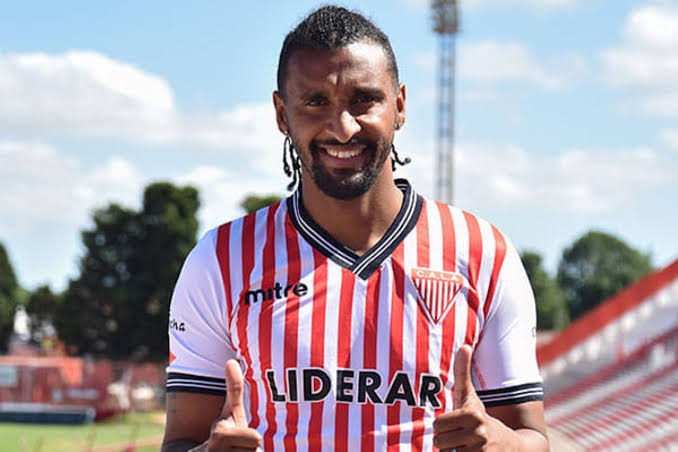
Matías Isidoro Presentado is another confirmed Afro-Argentine footballer on Wikipedia’s official list, a centre-back who made his professional debut in the 2014/15 season and has represented Los Andes in Argentine football.
Born on August 13, 1992, his inclusion on the Afro-Argentine sportspeople list confirms the presence of Black Argentine players at every level of the domestic game, from the lower reaches of the Argentine football pyramid all the way to the top flight.
His story, like Wilson Severino’s, is a reminder that the conversation about Black Argentine footballers is not limited to those who played in Europe or reached the national team.
The Future: A New Generation
15. Stephen “Kiki” Ramos, Argentina’s First Haitian-Born Footballer
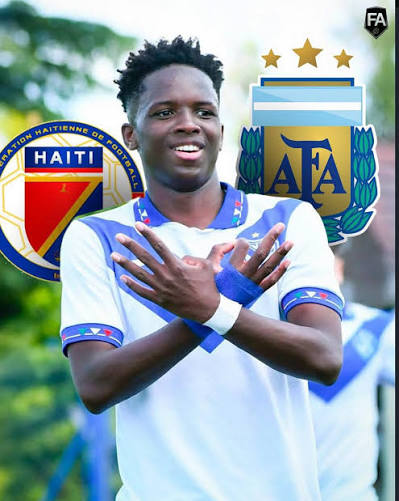
Stephen Ramos may be the most important name on this entire list for the future of the conversation about Black players in Argentine football.
Born on April 3, 2009, in Port-au-Prince, Haiti, Ramos arrived in Argentina just eight months old after being adopted by an Argentine family and has grown up entirely in Buenos Aires, developing as a footballer in the academy of Vélez Sarsfield.
In June 2026, he was called up to Argentina’s Under-17 national team by coach Diego Placente for a training microcycle at Ezeiza, becoming the first player born in Haiti, and the first Black player in modern times, to be called up by any Argentine national team program.
He plays as a winger in Vélez’s Sixth Division youth setup, scored 12 goals in 2026 before the call-up, and is known for explosive pace, physicality, and direct running.
His story was widely covered in both Argentine and Haitian media as a historic moment, with Le Floridien calling his selection “a source of pride for many within the Haitian community.”
Because he has not yet committed internationally, both Argentina and Haiti retain a future interest in him under FIFA eligibility rules.
The Cape Verdean-Argentine Community and the Road Ahead
Behind every name on this list is a community.
The Cape Verdean-Argentine community that arrived in Argentina between the 1920s and 1940s, settling in industrial port cities like Quilmes, Dock Sud, and Ensenada in Buenos Aires province, produced not just footballers but an entire generation of Afro-Argentine culture that Argentina spent decades pretending did not exist.
It is no coincidence that Ramos Delgado, Ayrton Costa, Fernando Tissone, and Cristian Tissone all trace roots to Cape Verde.
There are estimated to be between 12,000 and 15,000 descendants of Cape Verdean immigrants in Argentina today, forming one of the most cohesive Afro-Argentine communities in the country, and organizations like DIAFAR (Diáspora Africana de la Argentina) continue to work to raise awareness of Afro-Argentine identity, culture, and rights.
The question of why Argentina has so few Black footballers is answered by history, not by ability.
The players on this list, from de los Santos winning the Copa América in 1925 to Kiki Ramos earning an Argentina U17 call-up in 2026, prove that Black Argentine footballers have always existed. They simply have not always been seen.