
The African Cup of Nations, otherwise known as the AFCON, is the premier international soccer tournament played on the African continent.
The best teams from across the continent face off in this biannual tournament organized by the Confederation of African Football for the right to be dubbed the best team in Africa.
Many teams across Africa have had the privilege of qualifying and participating in this illustrious competition over the years.
However, a few countries have never been able to qualify to play at the AFCON.
Today, we take a look at the 10 countries that have never qualified for the AFCON.
1. Somalia
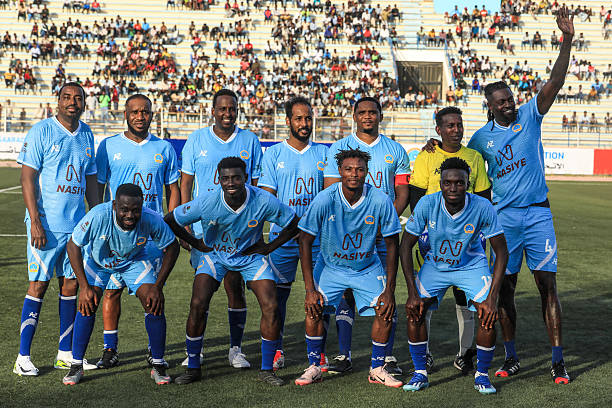
This troubled nation located on the horn of Africa in the eastern part of the continent has never appeared at the AFCON.
Despite playing in a few qualifiers years back, civil war, internal strife, and the collapse of a recognized government prevented organized football from being played in the country for long stretches.
However, there are genuine signs of progress in 2026, as Somalia advanced past the preliminary round of the 2027 AFCON qualifiers for the first time in their history, beating Mauritius on penalties after two goalless legs to reach the group stage of the qualification campaign.
The Ocean Stars, as they are known, are now drawn in Group C alongside Ivory Coast, Ghana, and The Gambia, giving them the chance to finally end their long wait and make history at the 2027 AFCON in Kenya, Uganda, and Tanzania.
Somalian referee, Omar Artan is one of the best African football referees now.
2. Eritrea
This northeast African country has also never been to the Nation’s Cup.
Lack of funding due to internal conflict and an almost non-existent football association have meant that Eritrea could never put up a team capable of qualifying, and the country had not even entered AFCON qualification since the 2008 edition before returning to competitive football in 2026.
That return was an impressive one, as Eritrea defeated Eswatini 4-1 on aggregate in the 2027 AFCON preliminary round, winning both legs to advance to the group stage for the first time in their history.
They are now drawn in Group D alongside South Africa, Guinea, and Kenya, though Kenya’s status as co-host of the 2027 tournament means only one additional team from the group will qualify, making Eritrea’s task all the more difficult.
3. Seychelles
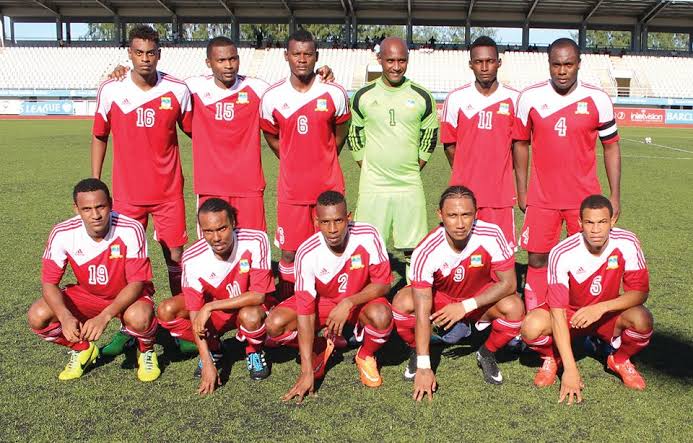
This beautiful and picturesque island nation has never participated in the final AFCON tournament.
Their relatively tiny population of under 100,000 people makes it almost impossible to raise competitive soccer teams, and they almost always end up at the bottom of their qualifying group.
Seychelles were excluded entirely from the 2025 AFCON qualifiers, and at the 2027 AFCON preliminary round they were eliminated by Lesotho, losing 2-1 on aggregate after a goalless first leg.
The island nation remains one of the least likely CAF members to ever qualify for the finals given the structural challenges their size creates.
4. South Sudan
This new African country only began playing international football after gaining independence in 2011 and played its first AFCON qualifier for the 2015 edition, making them one of the newest members of CAF.
Internal conflict and lack of funding have hampered their development, but South Sudan have shown genuine improvement in recent years, recording their record win in 2019 AFCON qualifying when they defeated Djibouti 6-0 in Juba.
In October 2019, the Bright Stars won an away game for the first time in their history, beating Seychelles 1-0 to advance to the group stage of the 2021 AFCON qualifiers.
At the 2027 AFCON preliminary round in March 2026, South Sudan beat Djibouti 4-1 on aggregate, winning the first leg 4-0 in dominant fashion, and are now in Group B for the main qualifying campaign alongside Egypt, Angola, and Malawi, giving them a genuine opportunity to qualify for their first ever AFCON finals.
5. Lesotho
Despite their best attempts, this landlocked southern African country has never qualified for the premier African tournament.
Their small population and general lack of resources have hampered their efforts to qualify, and Lesotho national team’s nickname is “Likuena,” or Crocodiles.
However, Lesotho made a significant step in March 2026 when they came from behind to beat Seychelles 2-1 in the 2027 AFCON preliminary round, progressing to the group stage on a 2-1 aggregate, and they are now in Group A alongside Morocco, Gabon, and Niger.
It will be a hugely difficult group, but the fact that Lesotho have reached the group stage of the qualifiers is a significant milestone for a country that has never been close to qualifying for the finals.
6. Chad
Chad have also never qualified for the AFCON, due mostly to a lack of funding that has consistently made them pull out mid-way into the qualifiers or prevented them from competing at full strength.
In the 2025 AFCON qualifiers, Chad did manage to progress past the preliminary round for the first time in years, defeating Mauritius 3-1 on aggregate, before being eliminated in the group stage.
Their 2027 AFCON campaign came to a painful and comprehensive end in the preliminary round when they were hammered 8-0 on aggregate by Burundi, losing both legs 4-0 without scoring a single goal, a result that highlighted how far Chad still have to travel before they can seriously challenge for a first ever AFCON qualification.
7. Sao Tome and Principe
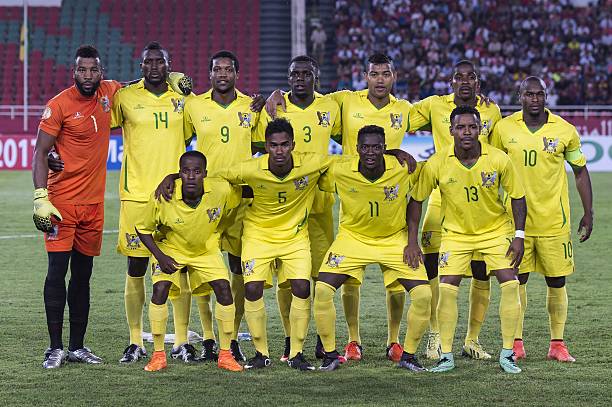
Sao Tome and Principe is another island country that has found it difficult to qualify due to their small population and limited resources.
The Gulf of Guinea island nation has a population of barely 230,000 people and has been an affiliate member of CAF since 1986, yet has never come close to qualifying for the AFCON finals across multiple qualification attempts.
At the 2027 AFCON qualifiers, they did not progress beyond the preliminary stage, which has been the consistent story of a football association that lacks the financial infrastructure to develop a competitive national team.
8. Eswatini
This small African kingdom, formerly known as Swaziland, has never qualified to play in the AFCON in their entire history.
Despite always being involved in qualifiers, the Sihlangu Semnikati have never quite been able to break the jinx, and their 2027 AFCON campaign ended at the preliminary stage when Eritrea beat them 4-1 on aggregate, losing both legs without putting up much resistance.
Eswatini’s best AFCON qualifying campaign remains their 2021 edition run, when they reached the group stage before finishing bottom of their group without a win.
9. Djibouti
The horn of Africa nation has not fared well in any of the qualifiers they have featured in over the years, and the 2027 AFCON campaign was no different.
Djibouti were beaten 4-1 on aggregate by South Sudan in the 2027 AFCON preliminary round, though they did win the second leg 1-0 in Juba, which was one of the rare highlights in a qualifying campaign that rarely produces them.
A combination of a lack of talent, funding, and football infrastructure has not allowed Djibouti to progress in all their years of AFCON qualifying, and at FIFA ranking 196 they remain one of the lowest-ranked football nations on the continent.
10. Central African Republic
CAR has somewhat surprisingly never qualified for the AFCON despite years of involvement in African football, and they remain one of 14 CAF member nations yet to reach the finals tournament.
In 2023 AFCON qualifying, they came agonisingly close, needing a win at home against Angola on matchday 5 to secure their first ever participation, but lost 2-1 to drop to third place and miss out again.
The captain of Central African Republic is Geoffrey Kondogbia, the Olympique de Marseille midfielder who switched his international allegiance from France to the country of his parents’ birth in 2018 and has since made over 23 appearances for the Wild Beasts, bringing genuine quality and leadership to a team that has historically struggled to make an impact in the qualifiers.
CAR are currently in the 2027 AFCON qualifying group stage alongside a yet to be confirmed group, continuing their pursuit of what would be a historic first ever appearance at Africa’s biggest football tournament.