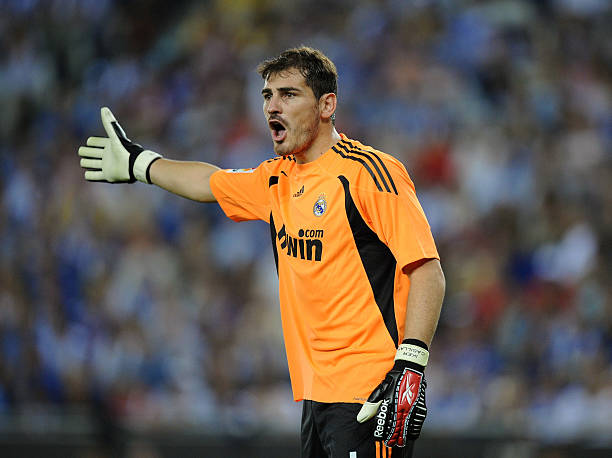

It’s become common for player jerseys for official matches, whether at local or international level, to have numbers written on the back of them.
It is possible that when watching a football game, you may have noticed that each player has a unique number on their jersey. But have you ever wondered how those numbers are assigned?
The process of assigning jersey numbers to players is not as simple as randomly assigning a number. There are rules and regulations in place that determine which numbers players can wear based on their position and other factors.
This helps not just to identify the player alone but also gives an indication as to the position of the said player.
Football jersey numbers are usually assigned from 1-23 or to whatever number the squad size allows for.
Assigning numbers might seem a simple process, but teams have special reasons or criteria for giving certain numbers to a particular footballer.
Today we will be examining some of those reasons that explains how jersey numbers are assigned to players.
Historical Significance
Soccer jersey numbers have a long and storied history in sports, dating back to the early 1900s.
At first, players were simply assigned numbers based on their position on the field, with no thought given to the significance of the number itself.
However, as soccer became more popular and players began to gain celebrity status, the numbers on their jerseys took on a greater importance.
For example, the number 10 has traditionally been reserved for the team’s most skilled player, the playmaker.
This tradition goes back to the 1950s, when the Brazilian player, Pele, one of greatest soccer players ever, made the number famous with his incredible ball control and passing abilities.
Hence, most of the soccer players who currently wear the number 10 jersey are the major stars of the team.
Similarly, the number 9 has been associated with the team’s top scorer, while the number 1 is reserved for the goalkeeper.
Player’s Position
Jersey numbers are usually assigned to players who play certain positions on the field of play.
For instance, if a player is assigned the number 1 jersey, he’s most likely a goalkeeper.
Numbers 2-5 are usually reserved for defenders, while number 6, number 8, and number 10 are mainly for midfielders. Forwards usually wear the numbers 7, number 9, and 11 jerseys.
Numbers outside the first 11 would then usually be assigned randomly, but the first few numbers are almost always assigned based on the position the footballer plays.
Player Preference
Sometimes a jersey number could be assigned to a player based on a special request from the player himself.
In other cases, before agreeing to join a club, a player might request that he be given a number before he joins them because he has always been associated with the number.
For example, Portuguese superstar Cristiano Ronaldo asked to be given the number 7 when he joined Manchester United at the beginning of the season. Another reason might be because the number carries special sentimental value or they feel it brings good fortune to them.

Status of the Player
Jersey numbers are sometimes also assigned based on how much your club or teammates
Players that are given the number 10 jersey in any team, for example, are regarded as highly skillful talismanic players.
Players who wear number 9 are usually the best or top strikers for their clubs or national teams.
Top players like Lionel Messi or Diego Maradona were usually always given the number 10 jersey in recognition of their ability on the ball.
Random selection
Sometimes could assign numbers based on random selection from the numbers available.
A player could be given numbers like 15, 12, or 22, not necessarily because of any position he plays but just to exhaust the jersey numbers that are remaining.
A few times, teams have had reason to retire a particular number for any reason, so they will bring another number to replace and give to another player.