

Soccer is not called the beautiful game for no reason.
It is the world’s most popular sport, played and enjoyed from dusty local pitches and school fields to the elite stadiums of the biggest leagues in Europe and the Americas.
A quick look at the viewing figures for the 2026 World Cup Finals confirms how beloved the sport is worldwide, and at the grassroots level, players of all ages are participating in growing numbers every single season.
But to perform well, players need the right equipment.
Whether you are setting up a team for the first time or looking to upgrade what you already have, getting the basics right makes a real difference to both performance and player safety.
While you can go all out with sponsorship and extras like corner flags and pitch sideboarding, there are a few essential pieces of equipment that every grassroots team needs to compete properly.
This guide covers everything you need to know about soccer equipment for training and matches.
Essential Soccer Equipment Every Grassroots Team Needs
Balls
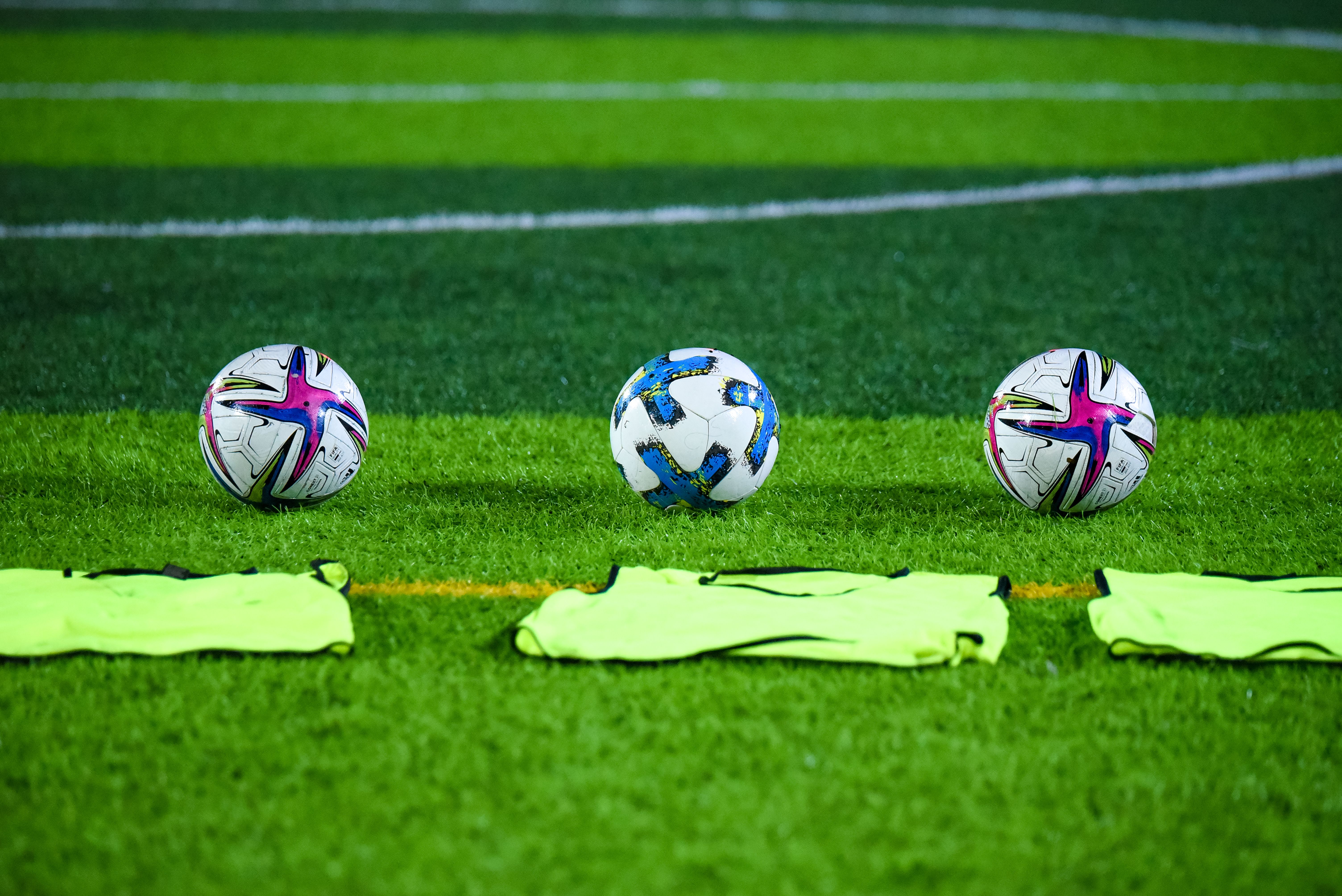
It may seem like an obvious place to start, but getting the right soccer ball matters more than most people realise.
A high-quality ball is not necessarily expensive, and it will have a much greater shelf life than a cheaper alternative that loses its shape after a few training sessions.
You will find plenty of options on the market with different sizes and weights, but always choose the right ball for the age group, ability level, and type of training you are running.
A younger team will need a smaller, lighter ball to get the most out of their training and compete effectively in matches.
Younger players using a full-sized ball will struggle with control and may develop bad habits that are difficult to correct later, so matching the ball to the age group is one of the simplest and most impactful decisions a grassroots coach can make.
For reference, size 3 is recommended for players under eight, size 4 for players aged eight to twelve, and size 5 is the standard for everyone aged thirteen and above.
Cleats

Soccer cleats are one of the most important pieces of equipment any player can own, and choosing the right pair makes a real difference to both performance and injury prevention.
Cleats come in all shapes and sizes, but they share one thing in common: they are designed to provide proper grip on whatever surface your team is playing on, whether that is outdoor grass, astroturf, or indoor turf.
Proper grip keeps players upright and moving confidently, and it eliminates the slips and falls that lead to both minor annoyances and serious injuries.
For grassroots teams, it is worth understanding the difference between firm ground (FG), soft ground (SG), and artificial ground (AG) cleats, since using the wrong type on the wrong surface reduces their effectiveness significantly.
You can read more about the importance of wearing proper soccer cleats and how to choose the right pair for your position and playing surface.
Cleats are truly the unsung heroes of grassroots soccer and an investment that every player at every level should take seriously.
Kits and Jerseys

A properly designed, breathable, and well-fitting soccer kit does more than look good on matchday.
A kit helps players identify teammates instantly during fast-moving play, which leads to more accurate passing and better movement across the pitch.
It also fosters a sense of belonging and togetherness in the dressing room that is genuinely difficult to replicate through any other means.
We have seen many iconic kits over the years that have become as famous as the clubs and players who wore them, and at the grassroots level you have the same opportunity to create something memorable for your players and supporters.
You can find affordable, effective ranges of jerseys, training gear, and accessories online to bring your team together and boost collective performance.
Check the materials carefully, as synthetic moisture-wicking fabrics perform significantly better than cotton during intense exercise.
Adding squad numbers and player names on the back adds a professional feel, and kits are also one of the most effective ways to attract local sponsorship, which can have a transformative impact on a grassroots club’s finances.
Shin Pads
Shin pads are non-negotiable at every level of the game, and they are compulsory under the laws of football for a very good reason.
They protect the lower legs from hard tackles, accidental collisions, and fouls that would otherwise cause painful and potentially serious injuries.
Shin pads come in a range of shapes and sizes, and the right choice depends on the age and level of the player wearing them.
Older designs were bulky and uncomfortable, but modern shin pads are lightweight and ergonomically shaped to allow full freedom of movement while still providing proper protection.
They are inexpensive, widely available, and one of the most important safety investments any grassroots team can make.
Never let a player take to the pitch without them.
Cones
Cones are one of the most versatile and cost-effective pieces of training equipment available to any grassroots coach.
You can use them to mark out boundaries, create obstacle courses for dribbling practice, set up agility drills, and define zones for small-sided games, all with a single set that costs very little and lasts for years.
Cones are essential for drills that build speed, agility, footwork, and spatial awareness, and because they are so simple to reposition, you can restructure your entire training session in seconds to keep players engaged and challenged.
You will see them used at every level of the sport, from local parks pitches to the training grounds of the best soccer teams in the world, which is a reliable indicator that they work.
A good set of brightly coloured cones in multiple sizes will serve your team across dozens of different training drills and scenarios.
Agility Ladders and Hurdles
Agility ladders and hurdles are a step up from cones when you want to add more structure and intensity to your training sessions.
They are specifically designed to improve speed, agility, coordination, and footwork, and they provide a solid cardiovascular workout at the same time.
Players who train regularly with agility ladders develop faster feet, better body control, and sharper reactions, all of which translate directly into improved on-pitch performance.
They are particularly useful for younger players who are still developing their coordination and body awareness, and you will see them used extensively at the best soccer academies in the world as a core part of youth development.
Hurdles add an additional dimension by improving explosive power and stride length, which is valuable for every position on the pitch.
Rebounders
Passing and receiving are two of the most fundamental skills in soccer, and they require thousands of repetitions to become second nature.
Rebounders solve a common training problem: they allow players to practice these skills without needing a partner or a full team present.
A rebounder bounces the ball back at varying angles depending on how and where you strike it, replicating the unpredictability of a real pass and forcing players to adjust their body position and first touch in real time.
They are ideal for individual training sessions outside of team practice, and players who use them consistently will notice a marked improvement in their touch and passing accuracy.
Technology is transforming how players train at every level, and rebounders are one of the simplest and most effective tools available to any grassroots team.
Soccer Socks
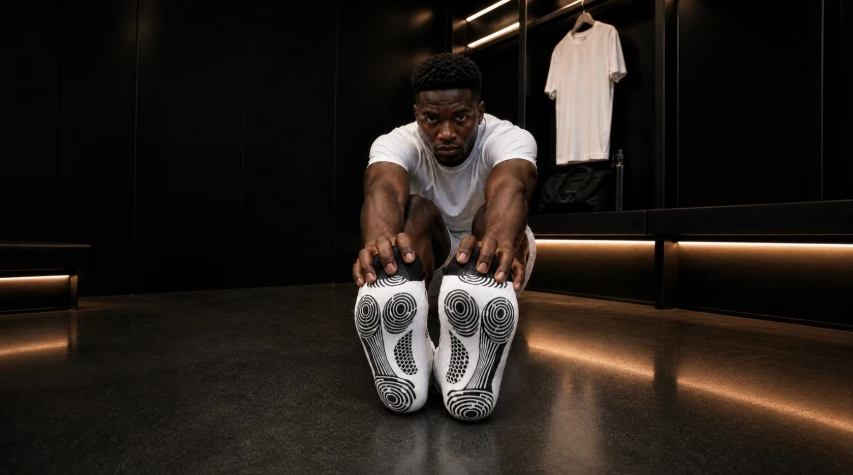
Soccer socks are often treated as an afterthought, but the right pair makes a genuine difference to comfort and performance during a match.
Modern soccer socks are engineered with moisture-wicking fabrics, compression zones, and reinforced areas that keep feet dry, supported, and blister-free throughout a full 90 minutes.
Poor-quality socks bunch up inside boots, cause discomfort, and can even affect how cleats fit, which in turn impacts performance.
Investing in a good set of socks for each player is a small expense with a disproportionately large impact on matchday comfort, and you can read more about why modern soccer socks are becoming as engineered as cleats.
Final Thoughts
Having the right equipment is vital to success at the grassroots level, and it does not have to cost a fortune to get it right.
Whether it is a well-designed kit that fosters unity and attracts sponsorship, a set of cones that transforms your training sessions, or quality cleats and shin pads that keep your players safe and performing at their best, the right gear makes a real difference.
Start with the essentials, invest in quality where it matters most, and build from there.
The beautiful game deserves the right equipment to be played at its best.