
The pressure to succeed and win in any sport is high among athletes. Football, like other sports, comes with its own stresses and high stakes.
Unfortunately, in a bid to win at all costs a few footballers take harmful substances like steroids to give themselves an unfair advantage.
Steroids are man-made versions of chemicals, called hormones that are naturally produced in the human body.
Sometimes steroids can be used for their medicinal value, but other times to unfairly give yourself an advantage over other athletes.
Many high-profile footballers have used steroids due to ignorance of substances they don’t know are banned, peer pressure and a poor knowledge about the negative effects of doping.
Often times, they may not know that the substances that they have taken are forbidden, but ignorance doesn’t prevent them from being punished.
Today, you will find out some soccer players, who for one reason or the other used steroids.
1. Pep Guardiola
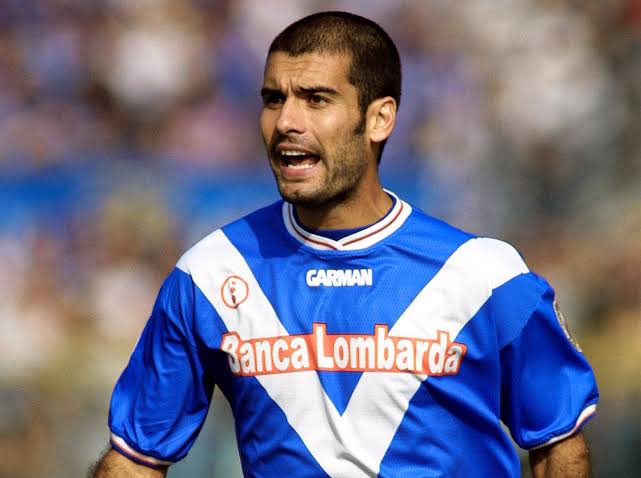
Yes, the former Barcelona midfielder and legendary coach was once banned for using an anabolic steroid called nandrolone.
This steroid is a testosterone that is used by athletes to boost physical performance.
While playing for Italian side Brescia in 2001, Pep was banned by the Italian football federation for using the substance.
The ban was later overturned on appeal.
2. Abel Xavier
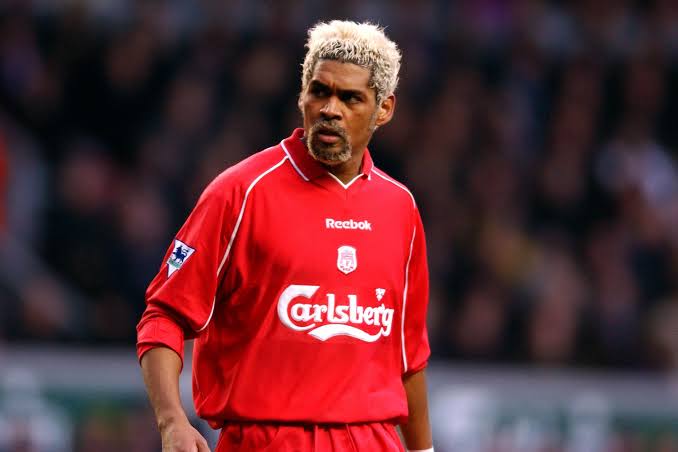
The flamboyant former Portuguese defender was banned in 2005 for using the anabolic steroid methandrostenolone (also known as Dianabol).
Dianabol is a steroid used to increase muscle growth and physical performance.
He was initially banned for 18 months, but it was later shortened to 12 months on appeal.
Abel Xavier was the first Premier League player to be found guilty of using performance-enhancing drugs.
3. Edgar Davids
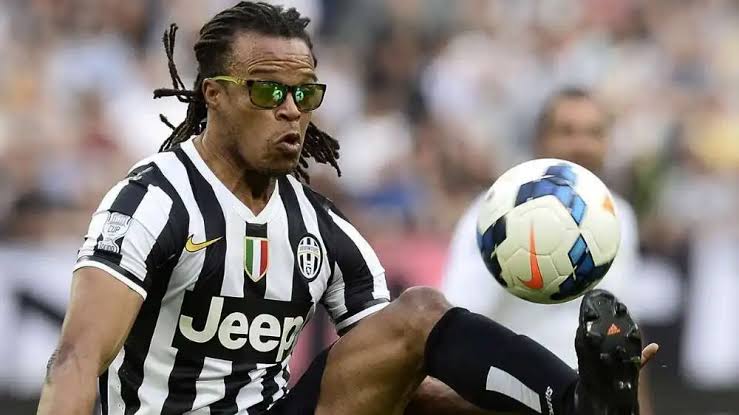
Edgar Davids is one of the famous soccer players who wore glasses while playing on the pitch.
The former Dutch and Ajax Amsterdam player was caught using Nandrolone during his playing days with Italian side Juventus.
The ban was meant to last for about 16 months but was later reduced to 4.
4. Dave Kitson
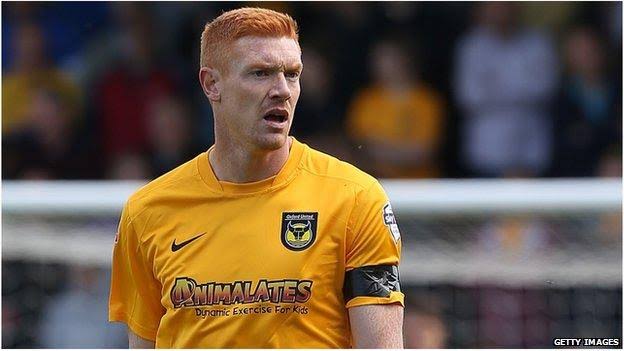
Kitson is a former Premier League player who featured for various clubs like Reading, Stoke City, Portsmouth among others.
In a report published in the British tabloid the Mirror in 2019, Dave admitted to taking steroids at various times during his career.
He admitted to using them to boost and maintain his physical performance on the pitch.
The retired footballer was however, never caught using the substance during his playing days.
5. Fernando Manuel Silva Couto
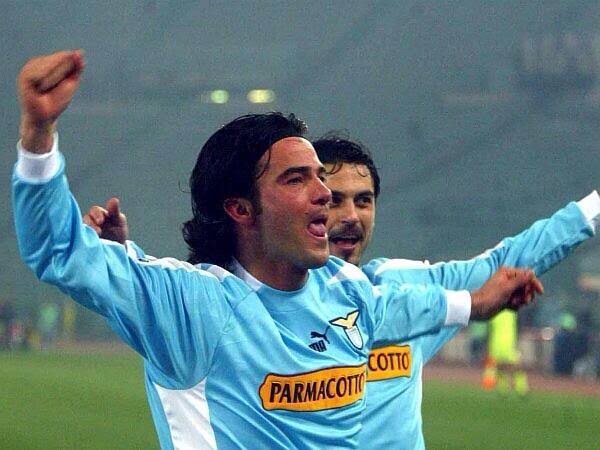
The former Porto centre-back was caught using Nandrolone in 2001 while playing for Italian side Lazio.
He initially denied using it, but a second ‘B’ sample confirmed the usage.
Couto was initially given a 9-month ban but he only served 4 months and paid a fine of $60,000.
6. Frank de Boer

In 2001, the then Barcelona and Netherlands captain tested positive for for the anabolic steroid nandrolone.
He protested the results and vehemently denied using steroids. Frank de Boer was initially banned for 12 months, but had his drug ban slashed after a UEFA hearing.
7. Jaap Stam
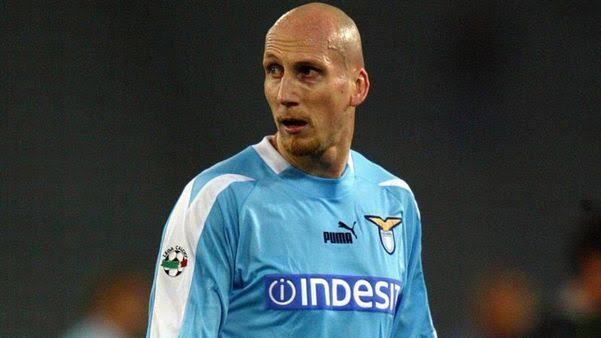
The former tough-tackling Dutch defender was banned in 2001 for also using Nandrolone.
He was given a 5-month ban which was later reduced to a month after appealing; Jaap still insists he never knowingly used any banned substance.
Many years later, Jaap Stam wrote in his autobiography that he had taken the same vitamin pills as Dutch team mates Edgar Davids and Frank de Boer, who all tested positive for Nandrolone.
8. Fernando Couto

In 2001, Portuguese stalwart Fernando Couto, then a key figure at Lazio, was handed a 10-month suspension after testing positive for nandrolone, a powerful anabolic steroid used to enhance recovery and muscle mass.
Couto, a respected leader both for club and country, maintained that the result stemmed from a contaminated supplement, a defense echoed by several players during that era when supplement regulation was far less rigorous.
His ban was later reduced, but the incident left a stain on an otherwise stellar career that included Champions League glory with FC Porto and a Euro 2000 semi-final run with Portugal.
9. Carlos Gurpegui

Few doping cases have sparked as much debate as Carlos Gurpegui’s in 2002, when the Athletic Bilbao midfielder tested positive for nandrolone after a La Liga match.
His defense was unlike any other as he claimed his body naturally produced the substance at elevated levels, a statement that triggered years of scientific and legal debate.
The case dragged on for years, with experts, club doctors, and endocrinologists weighing in on whether such a condition was even possible.
Ultimately, Gurpegui served a two-year ban but returned to the pitch stronger than ever, eventually captaining Athletic Bilbao and earning admiration for his loyalty and perseverance.
His saga remains one of the most scientifically intriguing doping disputes in football history.
10. Paul Pogba
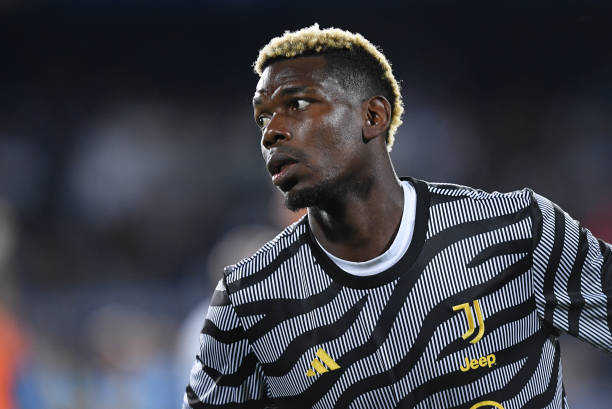
Paul Pogba is one of the most talented midfielders of his generation, a World Cup winner with France in 2018 and once the most expensive player in football history when he rejoined Manchester United from Juventus for £89 million in 2016.
In September 2023, Pogba tested positive for DHEA, a naturally occurring steroid precursor that the body converts into testosterone, following a mandatory drug test after a Serie A match for Juventus.
An Italian sports tribunal handed him a four-year ban, which would have ended his career at 34 years old, but Pogba appealed to the Court of Arbitration for Sport and the ban was reduced to 18 months, allowing him to return to football in March 2025.
Pogba always insisted he had taken the substance unknowingly through a supplement prescribed by a doctor in the United States, and the CAS accepted that his negligence was not intentional. He is considered on of the biggest expensive flops in football.
11. André Onana

André Onana is now the first-choice goalkeeper at Manchester United, a Champions League finalist with Inter Milan, and one of the most respected shot-stoppers in the Premier League.
But in February 2021, while at Ajax, he was handed a twelve-month ban by UEFA after testing positive for furosemide, a diuretic used to mask performance-enhancing substances, during an out-of-competition check.
Onana’s explanation was one of the most unusual in doping history, as he told investigators he had mistakenly taken a pill prescribed to his wife following childbirth, believing it to be paracetamol for a headache, and had no idea the substance was banned.
UEFA accepted the accidental nature of the violation and reduced the ban to nine months on appeal, and Onana returned to Ajax in November 2021 before going on to play a key role in Cameroon’s AFCON campaign and eventually completing his big-money move to Inter Milan.
His story is one of the most sympathetic in football doping history, but it also serves as a reminder that professional players are fully responsible for every substance that enters their body, regardless of the circumstances.
12. Mykhailo Mudryk
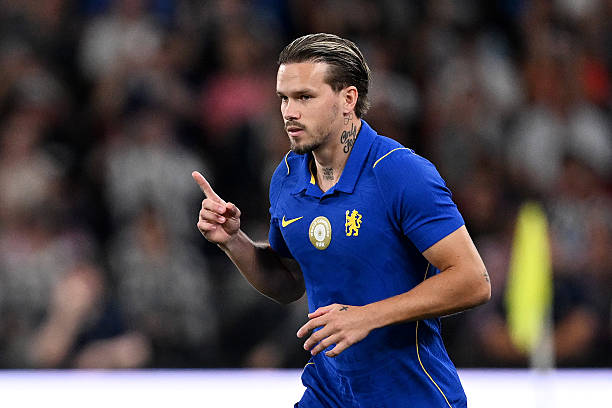
The most recent and most dramatic doping case in world football belongs to Chelsea winger Mykhailo Mudryk, whose two-year ordeal finally ended on July 30, 2026 when the FA confirmed his ban had been lifted with immediate effect.
On October 22, 2024, Mudryk tested positive for meldonium, a cardiovascular medication that boosts endurance and aids recovery, which was added to the WADA prohibited list in 2016.
The FA provisionally suspended him in December 2024, charged him in May 2025, and an independent regulatory commission handed him a maximum four-year ban in January 2026, a punishment that would have ended his Chelsea career entirely.
Mudryk appealed to the Court of Arbitration for Sport and maintained throughout that he never knowingly used any banned substance, a position Chelsea publicly supported from the first day of the scandal.
The ban was resolved on July 30, 2026, when the FA and WADA agreed to lift it after less than two years because changes to WADA’s own procedures meant that the same test result would not now even result in charges being brought.
Mudryk said on Instagram: “After a long battle, the four-year ban that was imposed on me has been rescinded and I am free to resume my career with immediate effect.”
He is now set to join Chelsea’s pre-season tour in Hong Kong and return to first-team football after nearly two years away from the game, with his number 10 shirt having been reassigned to Cole Palmer in his absence.
His case is a cautionary tale about the devastating consequences a positive test can have on a player’s career, even when the substance involved is found in low concentrations and its presence remains disputed.